Reasons to Doubt the Supernatural Nature of Christianity

I’ve taught Apologetics before. I didn’t like it. I wouldn’t consider myself a Christian apologist as apologists are expected to come up with black and white answers to difficult issues. I do not believe there are black and white answers. Also, apologists seem less interested in discovering truth than they are defending presupposed dogmas.

However, as unlikely as it seems, there’s a chance I might teach the subject again. Therefore I thought, “What are some legitimate reasons why one would doubt the supernatural nature of Christianity?”

Here is my list…

  1. Unfalsifiability of Christianity
  • Claims about heaven, hell, or divine judgment rely on post-mortem experiences, which are unverifiable in life, aligning with critiques of supernatural claims lacking empirical testability.

Christians cannot claim that living a faithful Christian life guarantees success or well-being in this life, nor that rejecting the Christian life necessarily leads to hardship or misfortune here and now. We know this from simple observation. Plenty of non-religious people live happy fulfilling lives, and plenty of Christians live difficult unhappy lives. The promise of whether things go good or bad for you can apply only to the after-life, which is unfalsifiable.

The hope found in the New Testament is grounded on the soon return of Christ, the transformation of the world, and the transformation of the individual bodies of believers. This leads to my next reason…

  1. Failed Eschatological Expectations
  • New Testament passages suggest Jesus’ return was expected within the first century, which didn’t occur, undermining divine foresight.

Modern Christians have no clear explanation for what happens at death since the New Testament doesn’t teach it. The authors of the New Testament did not expect the world to continue on for thousands of years after Pentecost. The New Testament authors expected the Parousia (return of Christ, resurrection/transformation of bodies, judgement) to happen within their own lifetimes or shortly after.

The Parousia did not happen at that time, nor has it happened from that time till now. This calls into question the divine inspiration of the New Testament writings.

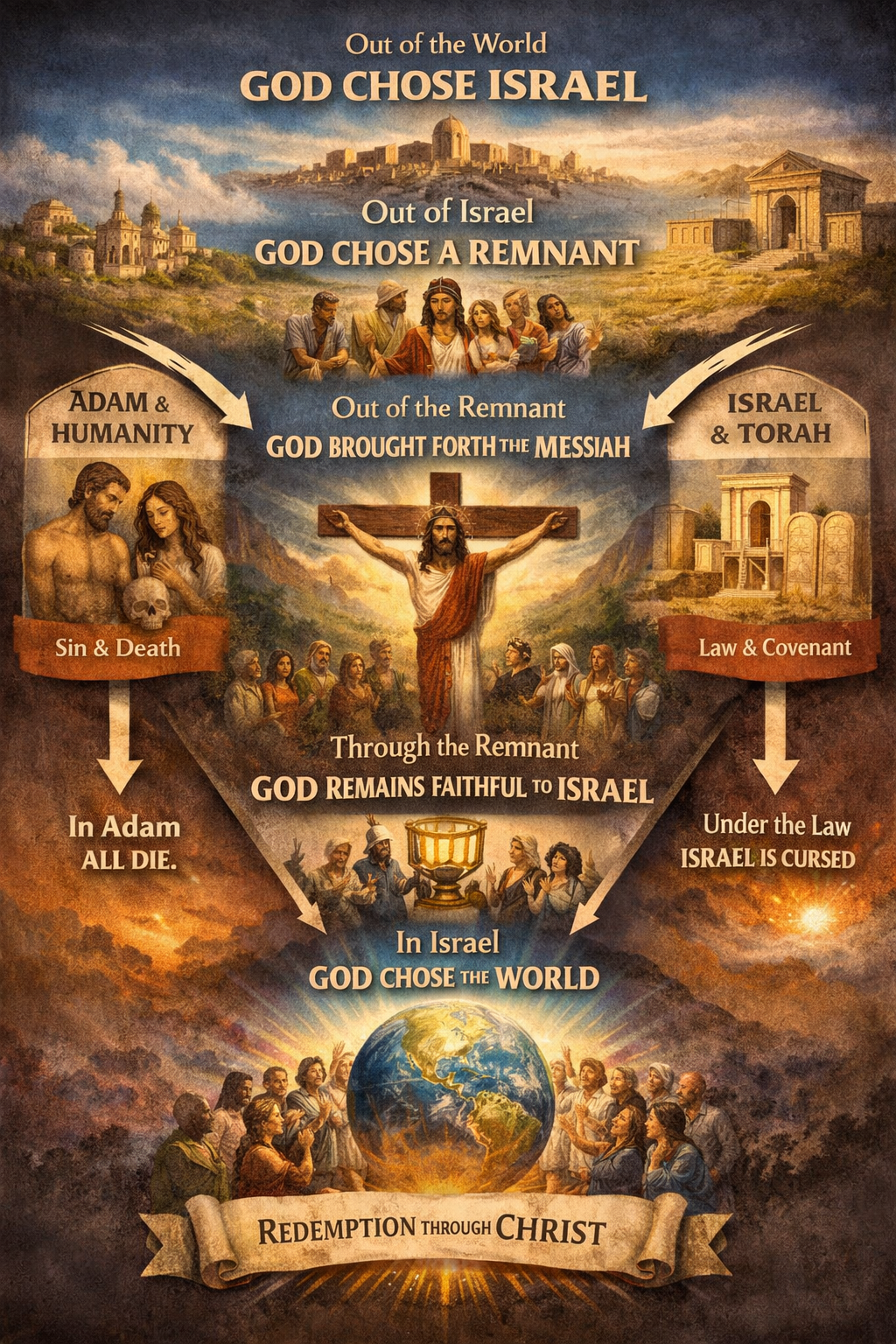
I can also include here the issue of the scripture’s focus on national Israel and the covenant promises. The New Covenant was promised only to Israel (Jeremiah 31:31-34; Hebrews 8:8-13). While it is true that Paul preached the gospel to the gentile world, his primary concern was Israel, which is why he always began his preaching in the synagogues. He clearly was passionate about Israel embracing their New Covenant gospel (Romans 9:1-5). And while I am not a proponent of the Israel Only movement, one can ask, “What if the original Jesus movement, a sect within Judaism, was only a failed Israelite eschatology?”

  1. Persistence of Evil Under Divine Rule/Absence of Physical Manifestation/Decline of Verifiable Miracles
  • If Jesus reigns as a divine king, the ongoing existence of suffering and injustice suggests a lack of observable supernatural governance or intervention.
  • Despite theological claims of Jesus’ ongoing divine presence, the lack of any verifiable physical manifestation calls into question the active role or power of a supernatural agent.
  • Whereas early Christian accounts abound with miracles, such as healings and resurrections, modern times lack consistent, empirically verified equivalents, raising doubts about the reliability of early miracle claims.

I’ve combined three reasons here into one as they all have to do with the tangible presence of Christ in the current world.

Since the Parousia did not happen in the first century, the Church had to adopt a new way of seeing things. For the most part the Church began to teach that the kingdom of Christ is partially manifest in the Church, and that Christ rules in the hearts of believers. There will still be a future Parousia and history as we know it will end.

One can ask then, “What has actually changed in the world post-Pentecost?” If Jesus is king, what exactly is he king over? The world? The Church? Heaven? He doesn’t appear to be ruling the world, at least not in any obvious way. Perhaps he is king over the Church, but the Church is so fragmented (see reason #7) that he could only be king over an invisible Church: the “true believers,” whoever they may be. Only God knows. We might say he reigns over heaven, which we presume to be perfect. Since we cannot see heaven, we cannot verify this.

  1. Spread of Christianity Through Natural Means
  • Christianity’s global expansion correlates with historical forces such as imperial conquest, colonialism, demographic trends, and migration—factors that suggest a sociopolitical rather than supernatural spread.

Has the spread of Christianity over the last two thousand years been remarkably different than the spread of any other religion?

  1. Syncretism with Pre-Christian Traditions/Parallels with Other Religious Traditions/Shift from Jewish Sect to Gentile Religion
  • Many Christian customs have clear roots in earlier pagan traditions, indicating a blending of cultural practices rather than the emergence of a wholly distinct revelation.
  • Christianity shares core motifs (such as virgin births and dying-and-rising gods) with older mythologies, implying that its supernatural claims may stem from universal myth-making rather than unique divine revelation.
  • Christianity’s shift from a Jewish Messianic sect to a Gentile-dominated religion suggests human-driven evolution rather than divine preservation.

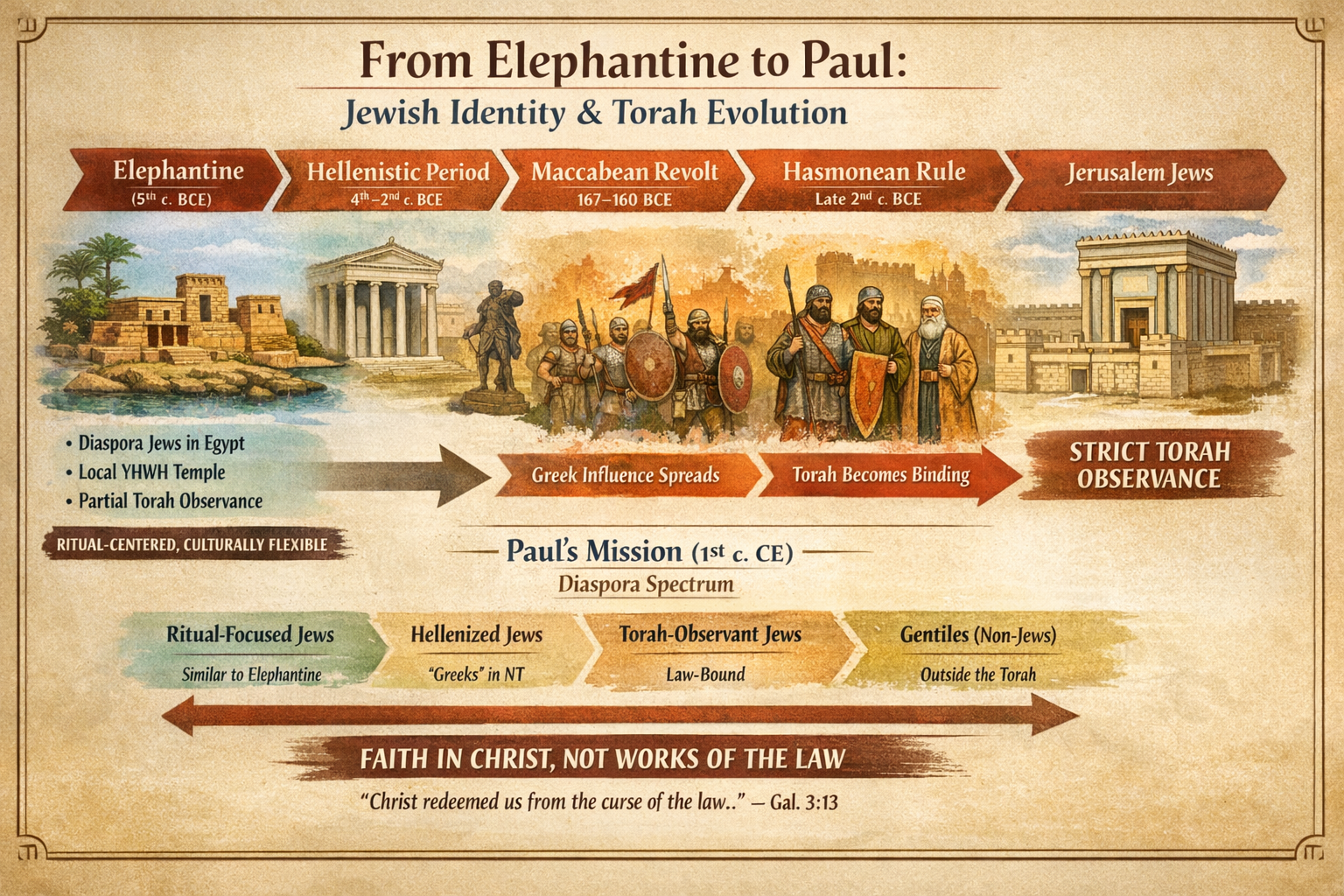
I’ve again combined three points here to highlight the evolution of religion throughout time. Many scholars agree that pre-exilic Israel was shaped by the dominant cultures surrounding it in the formation of its theocratic system. Likewise, post-exilic Second Temple Judaism was significantly influenced by Zoroastrian and Hellenistic thought. Christianity, which began as a Jewish sect, is often seen as a synthesis of Jewish tradition and elements from first-century mystery religions. Over time, it evolved into a predominantly Gentile movement. These developments suggest a gradual, human-driven evolution of religious ideas rather than a singular, divinely revealed system.

  1. Theological Discontinuity Between Testaments/Moral Progress Beyond Scripture
  • The portrayal of God in the Old Testament (wrathful and nationalistic) differs markedly from the loving and universal God of modern Christianity, suggesting doctrinal evolution shaped by cultural change rather than consistent divine character.
  • Modern ethical stances (e.g., the condemnation of slavery) often diverge from or contradict biblical teachings, indicating that moral advancement may arise from secular humanism rather than scriptural guidance.

I am not comparing God as portrayed in the Old Testament to God as portrayed in the New Testament here as much as I am comparing God as portrayed in the Old and New Testaments to God as portrayed by modern Christians. Modern Christians tend to read the Old Testament allegorically, and even Fundamentalists struggle to reconcile the differences.

  1. Fragmentation Within Christianity/Subjectivity in Scriptural Interpretation
  • Theological and cultural divisions across denominations (e.g., Evangelical, Catholic, Eastern Orthodox) suggest Christianity is not a unified divine revelation but a diverse, evolving human tradition.
  • The need for personal or ecclesiastical interpretation of scripture underscores the role of human subjectivity in defining doctrine, weakening claims of an objective or universally clear divine message.

Christianity exhibits such a high degree of internal diversity that one expression of the faith may, in practice, function as a distinct religion from another. For example, American Evangelicalism and Syrian Orthodoxy differ so significantly in theology, worship, and worldview that they can be seen as fundamentally separate religious traditions.

Personality often plays a significant role in shaping the style of Christianity a person gravitates toward. For example, someone devoted to John MacArthur’s church is unlikely to transition to a Charismatic congregation. While he may claim his reasons are purely scriptural, it’s more likely that his theological preferences align with his personality (which, of course, includes his politics).

  1. Modern Biblical Scholarship and Archaeology
  • Scholarship questions the historicity of key biblical events (e.g., Exodus, Canaanite conquests), and textual criticism highlights inconsistencies in manuscripts, undermining claims of divine inspiration.

Did Moses write the Pentateuch? Or was it written by several authors and compiled later? Did the exodus out of Egypt actually happen? Did Daniel write Daniel? Did Daniel exist? Or was the book of Daniel Maccabean propaganda? Who wrote the gospels? Did Paul write all the letters attributed to him?

Modern scholars differ much in their opinions, and I find they often overstate their arguments. However, their work cannot simply be dismissed because it contradicts traditional Christian beliefs.

  1. Psychological and Sociological Explanations for Religious Experience
  • Neuroscience and psychology offer naturalistic explanations for spiritual experiences (e.g., visions, divine presence) as brain-based phenomena, and sociological factors like community bonding explain Christianity’s appeal.

Worship services with dimmed lighting and emotional music absolutely influence how a person feels about what they perceive to be Jesus. This isn’t just true of modern western services, but it is true of ancient style Orthodox services as well.

It’s easy to see, especially with productions like The Chosen, that Christians will form their religion to fit their specific needs and desires. One would think it would be impossible to turn Jesus into a false idol, but how can modern Christians be sure that’s not exactly what they’re doing?

David Bentley Hart and Eschatology

David Bentley Hart (an Eastern Orthodox scholar), in a series of articles concerning eschatology, writes: “[B]iblical eschatology is of its very nature … somewhat obscure on the actual details of how things end. Whatever it tells us—or hints at for us—comes in the often unintelligible form of elaborate symbolic fantasias and infuriatingly elliptical metaphors, all pronounced with an urgency soon belied by history’s perversely persistent failure to end. If we are to be strict and fastidious literalists about the language of scripture, the Lord, it would seem, has been coming “quickly” for two millennia now; the hour has been late since the days of the Caesars; the world that is passing away is doing so with all the hectic dispatch of molasses flowing uphill in February.”

Other than a shared expectation of a soon fulfillment of eschatological expectations, the New Testament authors give us no consolidated narrative. The traditional Christian eschatological storyline (Christ’s second coming, general resurrection, final judgment, eternal Kingdom) is not found in a unified form. Texts like Paul’s epistles, the Gospel of John, and Revelation offer distinct visions.

“My claims regarding the early Christian sense of a rapidly approaching ‘eschaton’ are, before all else, claims regarding the first epoch of the church as an association of believers in Christ who harbored a large variety of apocalyptic expectations, at once intrahistorical, truly eschatological, wholly eternal, or combining two or more of these in an indeterminate haze of anxious anticipation, fear, and hope. And I assume that it was only a sense of the imminent realization of those expectations that imposed any sort of uniformity on what was otherwise a farraginous collection of religious, political, cosmic, and psychological aspirations. The things that were coming soon from God—the things that lay just over the horizon of the present—were imagined in many forms and modalities, temporal and atemporal and both at once; but what was beyond doubt was that they absolutely must happen very soon (δεῖ γενέσθει ἐν τάχει, as the first verse of Revelation says), and this was the uniform confession and profoundly unified experience of believers.” (Hart)

Below is a summary of the various views of eschatology and resurrection the NT authors had, as presented by Hart in his articles…

1. Paul (Authentic Epistles: Romans, 1 & 2 Corinthians, Galatians, Philippians, 1 Thessalonians, Philemon)

  • Eschatology: Paul’s eschatology is marked by an imminent expectation of Christ’s return (parousia) to consummate the present age and inaugurate the Kingdom (1 Thessalonians 4:13-17). He envisions a cosmic transformation where the “Age to Come” replaces the current order (1 Corinthians 15:24-28). Judgment is ambiguous, sometimes suggesting a selective process for the saved (Romans 8:11) and other times hinting at universal salvation (Romans 5:18; 1 Corinthians 15:28). Condemnation, if it occurs, consigns the reprobate to the past, not eternal torment (1 Corinthians 3:12-15). Paul’s focus is both intrahistorical (imminent divine intervention) and eternal (cosmic renewal).
  • Resurrection: Resurrection is central to Paul’s theology, equated with salvation itself (1 Corinthians 15:42-50). It involves a transformation from a mortal “psychical body” (σῶμα ψυχικόν, animated by soul and flesh) to an imperishable “spiritual body” (σῶμα πνευματικόν), composed of spirit (πνεῦμα), akin to angelic or celestial beings. This transformation is conflated with an ascent through celestial spheres in Christ’s train at his return (1 Thessalonians 4:16-17; Philippians 3:20). Resurrection is primarily for the righteous, though universalist passages suggest broader inclusion (Romans 5:18).
  • Key Features: Paul’s eschatology is future-oriented but imminent, with a strong universalist undercurrent. Resurrection is a cosmic, spiritual event, reflecting first-century cosmology where spirit is a subtle, incorruptible element.

2. Synoptic Gospels (Mark, Matthew, Luke)

  • Eschatology: The Synoptics blend intrahistorical and eternal horizons, with a strong preterist emphasis on first-century events, particularly the destruction of Jerusalem in 70 CE (Olivet Discourse: Mark 13; Matthew 24; Luke 21). Jesus’ prophecies use prophetic idioms (e.g., Isaiah 65:17-25) to depict historical calamities as cosmic upheavals, targeting the rich and powerful for their oppression (Matthew 25:31-46). Judgment is often intrahistorical (e.g., within a generation, Matthew 24:34), but a secondary eschatological horizon of divine justice looms (Matthew 11:22-24:11). The Kingdom is both imminent (Luke 11:20) and present within believers (Luke 17:20-21), with varied fates for the unrighteous (e.g., destruction, exclusion, temporary chastisement). Matthew’s allegory of judgment (Matthew 25:31-46) is a gathering of nations, not a resurrection event. Mark mentions resurrection only once (Mark 12:25), and Luke links it to the righteous (Luke 14:14).
  • Resurrection: In the dispute with the Sadducees (Mark 12:25; Matthew 22:30; Luke 20:35-36), Jesus describes the resurrected as “like angels” or “equal to angels” (ἰσάγγελοι), implying a spiritual, eternal existence free from marriage and death. Resurrection is not clearly tied to judgment, and its nature remains ambiguous. Luke’s depiction of the risen Christ with “flesh and bones” (Luke 24:39) contrasts with this angelic vision, suggesting potential inconsistency or redaction. Mark’s minimal focus on resurrection may align with spiritual ascent or soul revival.
  • Key Features: The Synoptics’ eschatology is heavily preterist, with metaphorical language tied to historical events. Resurrection is symbolic and ambiguous, often reserved for the righteous, with a focus on ethical transformation.

3. Gospel of John

  • Eschatology: John’s eschatology is predominantly realized, emphasizing the present reality of eternal life through faith in Christ (John 5:24; 11:25). The Kingdom is marginalized, replaced by “eternal life” (aiōnios zōē), which collapses future expectations into the now. Judgment is immediate, occurring in Christ’s crucifixion, which casts out the world’s Archon and draws all to himself (John 12:31-32). While a future resurrection and judgment are mentioned (John 5:28-29), these are qualified as already present (John 5:25: “the hour is coming”). The “last day” is the cross, where history and eternity meet (John 12:48). John’s universalist tone suggests all are redeemed through Christ’s act (John 12:32).
  • Resurrection: Resurrection is both a future event (John 5:28-29) and a present reality (John 11:25: “I am the resurrection and the life”). Believers already possess eternal life through faith, transcending death (John 6:47; 8:51). Resurrection is an ascent to a supercelestial reality, described as aiōnios, likely indicating a divine, eternal realm akin to Plato’s Timaeus. John lacks a final ascension scene, portraying Christ as continually present (John 20:19-28).
  • Key Features: John’s eschatology is radically present-focused, with judgment and resurrection fulfilled in Christ’s life, death, and resurrection. The universalist vision reconciles historical and eternal horizons.

4. 1 Peter

  • Eschatology: 1 Peter has a future-oriented eschatology, anticipating Christ’s return and final judgment (1 Peter 4:7). However, it also hints at a realized dimension, with Christ’s resurrection enabling spiritual actions (e.g., preaching to the “spirits in prison,” 1 Peter 3:18-19). Judgment is linked to historical suffering and divine vindication, but not explicitly tied to a universal resurrection.
  • Resurrection: Christ’s resurrection is described as a transformation from flesh to spirit (1 Peter 3:18: “put to death in flesh, made alive in spirit”), enabling him to enter spiritual realms. This aligns with Paul’s spiritual body concept, suggesting a non-carnal, angelic existence for the resurrected.
  • Key Features: 1 Peter bridges future and realized eschatology, with resurrection as a spiritual transformation, reinforcing the apostolic view of an imperishable state.

5. Hebrews

  • Eschatology: Hebrews shifts from imminent historical expectations to a vertical, transcendent eschatology. Christ’s second coming is mentioned (Hebrews 9:28), but the focus is on his present role as High Priest in the heavenly sanctuary (Hebrews 4:14; 8:1). Salvation is an ascent to the “world above,” emphasizing a timeless divine reality over future consummation.
  • Resurrection: Resurrection is implicit in the ascent to the heavenly places, where believers are drawn by Christ’s priestly work (Hebrews 6:19-20). It is not detailed but aligns with a spiritual, non-carnal transformation.
  • Key Features: Hebrews prioritizes a vertical eschatology, with resurrection as a spiritual ascent, reflecting a shift from historical to eternal concerns.

6. Pseudo-Pauline Texts (Ephesians, Colossians, 2 Thessalonians, 2 Timothy)

  • Eschatology: These texts reflect responses to delayed expectations. Ephesians and Colossians emphasize a realized eschatology, with believers already “raised” and “seated” with Christ in heavenly places (Ephesians 2:6; Colossians 3:1-2), though future consummation is noted (Ephesians 1:10). 2 Thessalonians, likely non-Pauline, introduces an intermediate period of apostasy and the “man of lawlessness” to explain Christ’s delay (2 Thessalonians 2:1-3), insisting on future divine intervention. 2 Timothy refutes claims of a mystical resurrection, maintaining future imminence (2 Timothy 2:17-18).
  • Resurrection: Ephesians and Colossians view resurrection as a present spiritual reality, aligning with John’s eternal life. 2 Thessalonians and 2 Timothy anticipate a future bodily resurrection, possibly for both just and unjust (Acts 24:15, though not pseudo-Pauline).
  • Key Features: These texts show a transition from Paul’s imminent eschatology to realized or adjusted expectations, with resurrection varying from present to future.

7. Revelation

  • Eschatology: Revelation is primarily preterist, focusing on the fall of Rome and the establishment of a new Jerusalem (Revelation 21:1-5). It adopts apocalyptic imagery, including a millennial messianic reign and two resurrections (Revelation 20:4-6), but these inaugurate a new epoch, not history’s end. Judgment is symbolic, tied to political and spiritual aspirations rather than a final cosmic assize.
  • Resurrection: The first resurrection is for martyrs during the millennial reign, the second a universal judgment (Revelation 20:11-15). Both are symbolic, reflecting anti-Roman hopes rather than literal eschatology.
  • Key Features: Revelation’s eschatology is allegorical and preterist, with resurrections as political symbols, not doctrinal statements.

Differences in New Testament Eschatology and Resurrection

Author/TextEschatology (Kingdom, Judgment)ResurrectionKey Features
Paul (Authentic)Imminent parousia, cosmic transformation (1 Thess 4:13-17). Judgment ambiguous, possibly universal (Rom 5:18). Kingdom is future “Age to Come” (1 Cor 15:24-28).Spiritual transformation into imperishable “spiritual body” (1 Cor 15:42-50), conflated with celestial ascent (1 Thess 4:16-17). Primarily for righteous.Future-oriented, universalist hints, spiritual resurrection, first-century cosmology.
Synoptics (Mark, Matthew, Luke)Preterist focus on AD 70 (Olivet Discourse: Mk 13; Mt 24; Lk 21). Judgment intrahistorical (Mt 25:31-46) with eternal horizon. Kingdom imminent and present (Lk 17:20-21).Angelic, non-carnal existence (Mk 12:25; Lk 20:35-36). Vague, possibly for righteous only (Lk 14:14). Luke’s “flesh and bones” (Lk 24:39) inconsistent.Metaphorical, preterist, ethical focus, ambiguous resurrection.
JohnRealized eschatology: eternal life now (Jn 5:24; 11:25). Judgment immediate, on cross (Jn 12:31-32). Kingdom marginalized, universalist tone.Present eternal life through faith (Jn 11:25), also future (Jn 5:28-29). Ascent to supercelestial reality, no final ascension scene (Jn 20:19-28).Radically present, universalist, eternal life as aiōnios reality.
1 PeterFuture-oriented, with Christ’s return and judgment (1 Pet 4:7). Some realized elements (1 Pet 3:18-19).Christ’s resurrection as shift to spirit (1 Pet 3:18), enabling spiritual realms. Aligns with Paul’s spiritual body.Bridges future and realized, spiritual resurrection.
HebrewsVertical, transcendent eschatology. Christ as High Priest in heaven (Heb 4:14). Future coming secondary (Heb 9:28).Implicit as spiritual ascent to heavenly places (Heb 6:19-20), non-carnal.Vertical focus, present salvation, minimal resurrection detail.
Pseudo-Pauline (Eph, Col, 2 Thess, 2 Tim)Mixed: realized in Eph/Col (Eph 2:6), future with delays in 2 Thess (2:1-3), 2 Tim (2:17-18). Judgment varies.Present spiritual raising (Eph 2:6; Col 3:1-2) or future bodily (2 Thess, 2 Tim, cf. Acts 24:15).Transition from imminent to realized or adjusted, varied resurrection views.
RevelationPreterist, anti-Roman focus (Rev 21:1-5). Millennial reign, symbolic judgments (Rev 20:11-15). New epoch, not history’s end.Two symbolic resurrections: martyrs’ reign, universal judgment (Rev 20:4-6). Political, not doctrinal.Allegorical, preterist, symbolic resurrections, political critique.

The Natural and Gnomic Will

The following is a cleaned up transcript from the above video (starting at 25:51)…

Think of it this way: one way of understanding Jesus as the Incarnate Son of God, as Maximus says, is that in most human beings, there is the natural will. In all rational creatures, there’s the natural will, which spontaneously desires only God and chooses only God because that’s its true end. To the degree that we’re separate from God, we have a deliberative or gnomic will, the psychological will that can make errors, go in the wrong direction, and do sinful things. Jesus, according to Maximus, doesn’t have a gnomic will, not because He lacks the capacity for deliberation, but because He’s so perfectly, fully, truly one with the Father and is Himself the Son that there’s no division between who He is essentially and who He is psychologically and empirically. There’s no space of separation. Human beings are called to become like that, utterly transparent before Christ to the presence of Christ in them in the Holy Spirit. As Paul says in First Corinthians 15, God becomes all in all, not just all over all, but all in all.

Here is an expansion on what David Bentley Hart said…

1. The Natural Will in Rational Creatures

Hart begins by referencing Maximus’s concept of the natural will (Greek: thelema physikon). According to Maximus, the natural will is an inherent faculty in all rational creatures—humans, angels, and other spiritual beings—that spontaneously orients them toward their ultimate end: God. This will is not deliberative or subject to choice in the way we typically understand decision-making; it is an intrinsic, ontological drive toward the good, the true, and the beautiful, which Maximus (and Hart) identifies as God Himself. The natural will is rooted in the idea that rational creatures are created in the image of God (imago Dei), and their deepest desire, by nature, is to be united with their divine source.

  • Expansion: The natural will reflects Maximus’s broader metaphysical framework, where creation is inherently oriented toward God as its telos (purpose or end). This aligns with the Christian patristic tradition, particularly the Eastern emphasis on theosis (deification), where the purpose of human existence is to participate fully in the divine life. Hart emphasizes that this desire for God is not a conscious choice but a fundamental aspect of what it means to be a rational being. It’s why Augustine’s famous phrase, “Our hearts are restless till they rest in you,” resonates here (mentioned earlier in the video at 4:25–4:32). The natural will is the “restless heart” seeking its fulfillment in God.

2. The Gnomic Will and Human Separation

Hart contrasts the natural will with the gnomic will (Greek: thelema gnomikon), which Maximus describes as a deliberative or discursive mode of willing. The gnomic will arises because humans, in their fallen state, are separated from God. This separation introduces a psychological and empirical dimension to human willing, where choices are made through deliberation, often leading to errors or sin. The gnomic will is not inherently evil but is a consequence of human freedom in a state of estrangement from God, where individuals can choose against their natural end (God) due to ignorance, temptation, or misdirection.

  • Expansion: The concept of the gnomic will is central to Maximus’s Christology and anthropology. In Maximus’s view, the fall fractured human nature, introducing a tension between the natural will (which always desires God) and the gnomic will (which can choose otherwise). This is why humans can act against their own ultimate good, choosing lesser goods or sinful paths. Hart’s point is that the gnomic will is a temporary condition, a product of the “space of separation” between humans and God. This separation is not ontological in the sense of altering human nature’s essence but experiential, resulting from the fall and the limitations of human perception and freedom in this world.

3. Jesus and the Absence of the Gnomic Will

Hart explains that, according to Maximus, Jesus, as the Incarnate Son of God, does not possess a gnomic will. This is not because Jesus lacks the capacity for deliberation—He is fully human and thus capable of human reasoning and choice—but because His human nature is perfectly united with His divine nature. In Jesus, there is no division between who He is essentially (His divine and human natures united in the hypostatic union, as defined by Chalcedonian Christology) and who He is psychologically and empirically (His lived experience as a human being). Jesus’s human will is perfectly aligned with the divine will, so there is no need for a deliberative, gnomic process that could lead to error or sin.

  • Expansion: Maximus developed this idea in response to the Monothelite controversy (7th century), which debated whether Jesus had one will (divine) or two (divine and human). Maximus argued for dyothelitism—that Jesus has both a divine will and a human will, but the human will operates without the gnomic mode because it is perfectly attuned to the divine. This is critical for Maximus’s soteriology: Jesus’s perfect unity of wills demonstrates the possibility of human nature being restored to its intended state, where the natural will fully governs without the interference of a gnomic will prone to error. Hart’s reference to “no division” reflects the Chalcedonian principle of the hypostatic union, where Jesus’s two natures (divine and human) are united without confusion, change, division, or separation. In Jesus, the human will is “transparent” to the divine, embodying the goal of human deification.

4. Human Destiny: Becoming Transparent to Christ

Hart extends this Christological insight to human destiny, stating that humans are called to become like Jesus—utterly transparent to the presence of Christ within them through the Holy Spirit. This transparency means aligning the human will with the natural will’s orientation toward God, eliminating the gnomic will’s tendency to err. In this state, humans become fully united with God, participating in the divine life (theosis), where their individuality is not erased but fulfilled.

  • Expansion: This idea of “transparency” draws on Maximus’s theology of deification, where the human person, through grace and the work of the Holy Spirit, becomes a perfect reflection of the divine Logos (Christ). The term “transparent” suggests a state where the human self is no longer opaque or obstructive to God’s presence but allows the divine light to shine through fully. This aligns with the Eastern Christian emphasis on theosis as the fulfillment of human nature, not its annihilation. Hart’s earlier discussion in the video (around 22:24–25:00) about becoming “uncreated” clarifies that this does not mean annihilation but becoming fully united with the uncreated God, sharing in His nature while retaining personal identity. The analogy of a prism’s facets (27:33–28:24) illustrates this: each facet (individual person) remains distinct, but the light (God) shines through all, uniting them in one divine reality.

5. First Corinthians 15: God Becomes All in All

Hart concludes this section by referencing Paul’s statement in First Corinthians 15:28, where God becomes “all in all” (panta en pasin). This is the culmination of the apokatastasis (universal restoration), where all creation is reconciled to God, not merely ruled over (“all over all”) but fully indwelt by God. This underscores Hart’s broader argument in the video (e.g., 21:15–21:28, 27:26–27:33) that Christian eschatology points to universal salvation, where all rational beings are deified, becoming fully united with God’s presence.

  • Expansion: In First Corinthians 15, Paul describes the resurrection and the ultimate subjection of all things to Christ, who then subjects Himself to the Father, so that God may be “all in all.” For Maximus and Hart, this is not a coercive domination but a transformative union where every rational creature’s natural will is fully realized, free from the distortions of the gnomic will. This ties into Hart’s rejection of the Thomistic “two-tier” view (2:50–9:01), which posits a natural end for humans separate from the supernatural. Instead, Hart and Maximus see human nature as inherently oriented toward deification, with no ultimate separation between nature and grace. The phrase “all in all” suggests a cosmic restoration where every aspect of creation—mineral, vegetable, animal, and human (18:48–18:56)—is transfigured, participating in God’s eternal life. This is why Hart emphasizes universal salvation in That All Shall Be Saved (mentioned at 21:15–21:21), arguing it is the only logical outcome of Christian eschatology.

6. Context in the Video

This passage (around 25:57–27:33) is part of Hart’s broader discussion of deification and the rejection of a nature-supernature dichotomy. Earlier, he critiques the Thomistic view that separates natural and supernatural ends (2:50–9:01), arguing it creates a “psychotic picture of reality” (20:32) where grace is arbitrary and disconnected from human nature. He contrasts this with the Eastern patristic view, including Maximus, where nature and grace are continuous, and human destiny is to become “uncreated” by participating in God’s life (21:47–25:00). The discussion of Jesus’s will and human transparency to Christ builds on this, showing how Christ’s incarnation models the human calling to deification, where the natural will is fully realized in union with God.

7. Broader Implications

Hart’s exposition has several implications:

  • Christology and Anthropology: Jesus’s lack of a gnomic will demonstrates the potential for human nature to be restored to its original purpose. Humans are called to overcome the gnomic will’s errors through grace, becoming like Christ in their unity with God.
  • Universal Salvation: The reference to “all in all” supports Hart’s argument for universal salvation, where all rational creatures achieve this transparency, fulfilling their natural will’s desire for God.
  • Eastern vs. Western Theology: Hart aligns with Eastern Orthodox theology (Cappadocian Fathers, Maximus, Pseudo-Dionysius) over Western Thomistic distinctions, emphasizing a monistic metaphysics where God is the ground of all being (11:36–13:19).
  • Practical Spirituality: Becoming “transparent” to Christ suggests a spiritual path of aligning one’s will with God’s through prayer, contemplation, and participation in the life of the Holy Spirit, a theme resonant in Eastern Christian mysticism.

Conclusion

Hart, through Maximus, presents Jesus as the paradigm of human destiny: a being whose human will is perfectly aligned with the divine, free from the deliberative errors of the gnomic will. Humans are called to this same unity, becoming transparent to Christ’s presence within them, culminating in the eschatological vision of First Corinthians 15, where God becomes “all in all.” This reflects Hart’s broader theological project of rejecting artificial distinctions between nature and grace, advocating for a monistic metaphysics where all creation is destined for deification, supporting his case for universal salvation. The passage encapsulates a vision of human fulfillment not as annihilation but as a transformative union with God, retaining personal identity while fully participating in the divine life.

Theological Dodgeball

All theological positions are based on one’s philosophy of life, not the scriptures.

It’s like a game of Dodgeball. The team you’re on is determined by your philosophical presuppositions. The scriptures are just the balls being thrown around.

The Interpretive Method of New Testament Authors

  1. Typological Interpretation (or Typology):
  • Definition: Typology involves seeing OT events, figures, or institutions as “types” (patterns or foreshadowings) that prefigure or are fulfilled by Christ, the church, or other NT realities. The NT author interprets the OT text as pointing to a greater fulfillment in Jesus or the Christian community.
  • Example: In Matthew 2:15, Hosea 11:1 (“Out of Egypt I called my son”) originally refers to Israel’s exodus but is applied typologically to Jesus as the true Israel who recapitulates and fulfills the nation’s story.
  • Characteristics: Typology assumes historical correspondence and escalation, where the OT event is real but finds a deeper, often messianic, significance in the NT.

2. Pesher Interpretation:

  • Definition: Pesher (from Hebrew, meaning “interpretation”) is a method where OT texts are applied directly to contemporary events or figures, often with an eschatological (end-times) focus. This was common in Jewish exegesis, notably in the Dead Sea Scrolls, and is used by NT authors to show how OT prophecies are fulfilled in their time.
  • Example: Matthew 2:17–18 applies Jeremiah 31:15 (Rachel’s weeping) to the Bethlehem massacre, treating the OT text as prophetically fulfilled in Jesus’ era.
  • Characteristics: Pesher often reads OT texts as cryptic predictions that find their true meaning in the present, sometimes stretching the original context.

3. Midrashic Interpretation:

  • Definition: Midrash (from Hebrew, meaning “to search” or “expound”) is a Jewish interpretive method that creatively elaborates on OT texts to draw out moral, theological, or allegorical meanings. NT authors, especially Paul, use midrashic techniques to apply OT texts to new situations.
  • Example: In 1 Corinthians 9:9–10, Paul uses Deuteronomy 25:4 (“Do not muzzle an ox”) midrashically to argue for supporting Christian ministers, extending the law’s principle beyond its literal meaning.
  • Characteristics: Midrash often involves allegory, analogy, or recontextualization to make the text relevant to a new audience.

4. Allegorical Interpretation:

  • Definition: Allegory treats OT texts as having hidden or symbolic meanings that point to spiritual truths, often beyond the literal sense. While less common in the NT than typology, it appears in some instances, particularly in Paul’s writings.
  • Example: In Galatians 4:21–31, Paul allegorizes the story of Hagar and Sarah (Genesis 16–21) to represent the old and new covenants, respectively, a clear departure from the historical narrative.
  • Characteristics: Allegory seeks deeper, symbolic meanings, sometimes detaching from the original context.

5. Fulfillment Citation:

  • Definition: This term is used specifically for NT quotations introduced with phrases like “this was to fulfill” (common in Matthew) or “as it is written.” It reflects the NT authors’ belief that OT texts find their ultimate purpose or completion in Christ and the church, even if the original context was not explicitly prophetic.
  • Example: Matthew 1:23 quotes Isaiah 7:14 (“the virgin shall conceive”) as fulfilled in Jesus’ virgin birth, despite its original context as a sign for King Ahaz.
  • Characteristics: The focus is on Christological fulfillment, often reinterpreting non-prophetic texts as messianic.

Chart of Some NT Reinterpretations of OT Passages

NT ReferenceOT SourceOT ContextNT UsageShift in MeaningMethod
Matthew 2:15Hosea 11:1God’s historical deliverance of Israel from Egypt, called His “son.”Jesus’ return from Egypt, fulfilling Israel’s role.Historical event becomes a typological prophecy about Jesus.Typology/Fulfillment Citation
Matthew 1:23Isaiah 7:14Sign for King Ahaz about a child named Immanuel, born to a young woman.Jesus’ virgin birth, using Septuagint’s “virgin.”Historical sign becomes a messianic prophecy.Pesher/Fulfillment Citation
Matthew 2:17–18Jeremiah 31:15Rachel’s mourning for Israel’s exile, with hope for restoration.Bethlehem infants’ massacre.Historical lament reframed as a fulfilled tragedy.Pesher/Fulfillment Citation
Matthew 3:3Isaiah 40:3Preparing a way for God’s deliverance of Israel from exile.John the Baptist preparing for Jesus.Exile restoration prophecy fulfilled in John’s ministry.Pesher
John 19:36Psalm 34:20 (possibly Exodus 12:46)God’s protection of the righteous or Passover lamb regulations.Jesus’ unbroken bones at crucifixion.General protection or ritual rule becomes a specific prophecy.Typology/Fulfillment Citation
Acts 15:16–18Amos 9:11–12Restoration of Israel’s kingdom, dominance over Edom.Gentile inclusion in the church, using Septuagint’s “mankind.”National restoration becomes universal salvation.Pesher
Romans 9:25–26Hosea 2:23, 1:10Restoration of Israel after judgment, called “my people.”Gentiles becoming God’s people through faith.Israel’s restoration extended to Gentiles.Midrash/Typology
Romans 10:6–8Deuteronomy 30:12–14Accessibility of the Torah for obedience.“Word of faith” in Christ, accessible through faith.Torah’s accessibility becomes salvation through Christ.Midrash
1 Corinthians 9:9–10 / 1 Timothy 5:18Deuteronomy 25:4Law against muzzling an ox while treading grain.Material support for Christian ministers.Agricultural law reinterpreted for human laborers in ministry.Midrash/Allegory
2 Corinthians 6:16–18Leviticus 26:12, Ezekiel 37:27, 2 Samuel 7:14God’s covenant presence with Israel or Davidic king.Church as God’s temple and people, including Gentiles.Israel/Davidic promises applied to the church.Pesher/Midrash
Galatians 3:16Genesis 12:7Promise of land to Abraham’s descendants (plural).“Offspring” as Christ, the singular heir.Collective promise narrowed to Jesus.Midrash/Typology
Galatians 4:21–31Genesis 16–21Historical narrative of Hagar and Sarah, Abraham’s sons.Allegory of old (law) and new (faith) covenants.Family story becomes allegory for law vs. faith.Midrash/Allegory
Hebrews 1:5Psalm 2:7God’s adoption of the Davidic king at coronation.Jesus’ eternal divine sonship.Royal coronation becomes Christ’s divinity.Typology/Fulfillment Citation
Hebrews 10:5–7Psalm 40:6–8Obedience over sacrifice in personal worship.Jesus’ incarnation and sacrificial death.General worship statement becomes messianic prophecy.Midrash/Typology
1 Corinthians 15:54–55Isaiah 25:8, Hosea 13:14God’s future defeat of death or taunt against death.Christ’s resurrection defeating death.General/judgmental texts become resurrection triumph.Pesher

Notes on the Chart

  • Columns:
    • NT Reference: The NT passage where the OT is quoted or alluded to.
    • OT Source: The specific OT verse(s) or passage(s) referenced.
    • OT Context: The original meaning or historical setting of the OT text.
    • NT Usage: How the NT author applies the OT text.
    • Shift in Meaning: How the NT usage differs from or expands the original OT meaning.
    • Interpretive Method: The primary method(s) used (typology, pesher, midrash, allegory), based on the definitions provided earlier.
  • Interpretive Methods:
    • Typology: OT events/figures as patterns fulfilled in Christ or the church.
    • Pesher: OT texts as prophecies fulfilled in the NT era.
    • Midrash: Creative elaboration to draw out new theological meanings.
    • Allegory: Symbolic reinterpretation, often detaching from the literal sense.
    • Fulfillment Citation: OT texts seen as completed in Christ, often with “this was to fulfill” phrasing.