Below is a comparison of different translations rendering Daniel 9:25 (emphasis mine)…
There are some things to notice:
The NKJV uses the word “command,” while the other translations use “word.”
The NKJV capitalizes “Messiah the Prince,” while the others do not.
Artscroll does not use the term “messiah” or “anointed one.”
The NKJV writes “seven weeks and sixty-two weeks” consecutively, without a break, while the other translations do include a break–a period for the ESV, a semi colon for the NRSV, and a comma for Artscroll.
Firstly, the decision whether to the use “command” or “word” may depend on the translator’s bias. Do they want a decree from a king? Or a prophesy from a seer?
Secondly, the NKJV apparently wants the reader to believe this messiah is Jesus.
Third, I’ll include a possible explanation from AI as to why the Artscroll translation omits “messiah” below.
Fourth, the NKJV seems to want the reader to see the seven weeks and sixty-two weeks as occurring one right after the other, a straight sixty-nine week time period. However, the Hebrew may not allow for that. Consider the text below in Hebrew…
I asked AI (Grok and ChatGPT) if there was any mark with the word “seven” which would indicate a break after that word. This was the response…
Grok
ChatGPT
So, there should be a break after the seven weeks*, which means that, according to the prophesy, the messiah mentioned in the verse likely should have appeared in history directly after the first seven weeks, or forty-nine years. If that’s correct, this messiah is not Jesus (although it can be seen as a type of Christ). The commentary in my Artscroll bible suggests it was Cyrus, and the commentary in my NRSV suggests it was the high priest Joshua (see Haggai 1:12; Ezra 2:2, 3:2; Zechariah 4:14, 6:10-12). Therefore, according to these commentaries, the “word” going out was not a kingly decree, but rather a prophesy–possibly spoken by Jeremiah (the NRSV suggests Jeremiah 25:11). Also notice how the NRSV refers to the “word” in the past tense, meaning that for Daniel it would have already been past tense and thus not a future decree of Cyrus. Daniel 9 begins with Darius the Mede still in power, which was before Cyrus.
Carol A. Newsom, in her commentary, suggests the author of Daniel 9 was not trying to pin down precise dates, but rather “to connect important events in history by means of a symbolic heptadonal system of time.”** We must take note of the seven weeks as being a time of jubilee (see Leviticus 25:8ff), and also the 490 years as being ten jubilee periods. It doesn’t necessarily matter when the 70 weeks began as long as we can connect the right events together, and since the theme of jubilee (freedom) is being focused on we can assume the events have to do with Jews regaining their autonomy and purpose as God’s people.
James B. Jordan, in his commentary, reads the 70 weeks as consecutive.*** He makes no mention of the apparent pause in the text after the first seven weeks. He also insists that the 70 weeks began with the decree of Cyrus in 537 BC. But, if the 70 weeks are read literally and consecutively, the prophesy takes us only to the year 47 BC. Jordan’s solution to this is to say that the first seven weeks were literal (from Cyrus’s decree to Nehemiah’s return to Jerusalem). The following sixty-two weeks were symbolic, resulting in the last week being postponed. And the last week, or 70th week, was again literal, which started with the ministry of Jesus and ended with the death of Stephen in Acts 7. Jordan takes a few paragraphs to explain why the sixty-two weeks were symbolic, but basically he argues that God postpones judgement throughout scripture to be merciful, and also to harden the rebellious ones.
* There is no cantillation mark in the Hebrew which indicates there is any pause or break after the “sixty-two weeks” as the NKJV has it. There should be no period, semi colon, or comma after “sixty-two weeks.”
** Newsom, Carol A. Daniel: A Commentary. Westminster John Knox Press, 2014, p. 619.
*** Jordan, James B. The Handwriting on the Wall: A Commentary on the Book of Daniel. American Vision, 2007, p. 469ff. I am quite certain Jordan’s translation of choice is the NASB, which renders Daniel 9:25 as: “So you are to know and understand that from the issuing of a decree to restore and rebuild Jerusalem, until Messiah the Prince, there will be seven weeks and sixty-two weeks; it will be built again, with streets and moat, even in times of distress.” (emphasis mine)
***
Below is an explanation from AI as to why the Artscroll translation omits “messiah.”
1. The Hebrew Text and Translation Choices
The Hebrew of Daniel 9:25 reads: וְתֵדַע וְתַשְׂכֵּל מִן-מֹצָא דָבָר לְהָשִׁיב וְלִבְנוֹת יְרוּשָׁלִַם עַד-מָשִׁיחַ נָגִיד שִׁבְעָה שָׁבֻעִים וְשִׁבְעִים וּשְׁנַיִם שָׁבֻעִים תָּשׁוּב וְנִבְנְתָה רְחוֹב וְחָרוּץ וּבְצוֹק הָעִתִּים Translated literally, this is: “Know and understand: From the going forth of the word to restore and build Jerusalem until an anointed one, a leader/prince (mashiach nagid), seven weeks; and for sixty-two weeks, it will be rebuilt, street and moat, but in troubled times.”
The key phrase here is mashiach nagid. The ArtScroll translation you cited appears to focus on nagid (“leader” or “prince”) and omits or reinterprets mashiach (“anointed one”). This could stem from the following considerations:
Emphasis on Nagid: The term nagid means “leader,” “ruler,” or “prince” and is often used in the Hebrew Bible to denote a person of authority, such as a king or governor (e.g., Saul in 1 Samuel 9:16). In Daniel 9:25, nagid modifies mashiach, suggesting the “anointed one” is a leader or ruler. ArtScroll may have chosen to translate mashiach nagid as “the prince” to emphasize the leadership role and avoid the potentially loaded term mashiach.
Omission of Mashiach: By rendering mashiach nagid as “the prince,” ArtScroll may be simplifying the phrase to focus on the functional role (nagid) rather than the ritual status (mashiach, i.e., one anointed with oil). This could reflect a desire to avoid any messianic connotations associated with mashiach, especially given Christian interpretations that link this verse to Jesus as “the Messiah.”
2. Jewish Interpretive Tradition
Jewish exegesis of Daniel 9:25 varies widely, and ArtScroll, as an Orthodox Jewish translation, likely draws on traditional commentators like Rashi, Ibn Ezra, or Saadia Gaon. These scholars often interpret the mashiach nagid as a historical figure rather than an eschatological Messiah:
Rashi: Suggests the mashiach nagid could be Cyrus, King of Persia, who is called God’s “anointed” (mashiach) in Isaiah 45:1 and who issued the decree to rebuild Jerusalem (Ezra 1:1-3). Rashi emphasizes Cyrus as a nagid (leader) who facilitated the return from exile.
Ibn Ezra: Proposes the mashiach nagid might refer to Zerubbabel, a Davidic prince who led the rebuilding efforts, or Joshua, the high priest (Zechariah 6:11-12).
Saadia Gaon: Views the mashiach as a high priest or leader during the Second Temple period.
By translating mashiach nagid as “the prince,” ArtScroll aligns with interpretations that identify the figure as a historical leader (e.g., Cyrus, Zerubbabel, or a high priest) rather than an eschatological “Messiah.” The term “prince” captures the leadership aspect (nagid) while sidestepping the theological weight of mashiach.
3. Avoiding Messianic Connotations
As noted in my previous response, the term mashiach is sensitive due to Christian interpretations of Daniel 9:25 as a prophecy about Jesus. ArtScroll’s choice of “prince” instead of “anointed one” may be a deliberate move to:
Distance from Christian Readings: Christian translations, like the King James Version, render mashiach as “Messiah” to support the idea that the verse predicts Jesus’ arrival. By using “prince,” ArtScroll avoids any implication that this figure is the eschatological Messiah, aligning with Jewish theology that the Messiah has not yet come.
Neutralize Eschatological Implications: In Jewish thought, the ultimate Messiah (Messiah ben David) is associated with redemption, peace, and rebuilding the Temple, not with being “cut off” or the destruction of Jerusalem (Daniel 9:26). Translating mashiach nagid as “the prince” keeps the focus on a historical or temporal leader, avoiding confusion with Jewish messianic expectations.
4. ArtScroll’s Translation Philosophy
ArtScroll’s Tanach (Stone Edition) aims to provide a translation that is both accessible to modern readers and faithful to traditional Jewish exegesis. This involves:
Simplification for Clarity: The phrase mashiach nagid is complex, combining two terms with overlapping but distinct meanings. Rendering it as “the prince” simplifies the text for readers while conveying the idea of an authoritative figure, which nagid emphasizes.
Reliance on Rabbinic Commentary: ArtScroll often incorporates interpretations from classical Jewish sources (e.g., Rashi, Talmud) into its translation. By choosing “prince,” ArtScroll may be reflecting a specific rabbinic interpretation that prioritizes the historical context of Daniel 9:25 over a literal rendering of mashiach.
Consistency with Other Verses: In Daniel 9:26, the same mashiach is mentioned as being “cut off.” ArtScroll may avoid “anointed one” in 9:25 to maintain consistency with 9:26, where the term is similarly interpreted as a leader or prince, not the Messiah.
5. Textual and Grammatical Nuances
The ArtScroll translation you cited—”until the appointment of the prince”—suggests an interpretive addition. The Hebrew ad mashiach nagid (“until an anointed one, a leader”) does not explicitly include “appointment,” but this may reflect:
Masoretic Punctuation: The athnach (a disjunctive accent) in the Masoretic Text separates the “seven weeks” from the “sixty-two weeks,” implying the mashiach nagid appears after the seven weeks (49 years), possibly Cyrus or another early figure. ArtScroll’s “appointment” may interpret this as the moment the leader is designated or rises to prominence.
Dynamic Equivalence: ArtScroll sometimes opts for dynamic equivalence (conveying meaning over word-for-word translation) to make the text clearer. “Appointment of the prince” may be an attempt to clarify that the mashiach nagid is a divinely ordained leader, consistent with Jewish readings of the verse.
Conclusion
The ArtScroll Bible’s translation of Daniel 9:25 as “until the appointment of the prince” instead of “anointed one” reflects a combination of factors:
A focus on nagid (“leader/prince”) over mashiach (“anointed one”) to emphasize the figure’s role as a historical leader (e.g., Cyrus, Zerubbabel, or a high priest).
Alignment with Jewish interpretive traditions that reject eschatological or Christian messianic readings of the verse.
A translation philosophy that prioritizes clarity and rabbinic exegesis over literal rendering, avoiding the theologically charged term mashiach.
Sensitivity to Jewish theology, which reserves the term “Messiah” for the future redeemer, not a figure associated with destruction (Daniel 9:26).
This choice underscores ArtScroll’s commitment to presenting the text through the lens of Orthodox Jewish scholarship, avoiding interpretations that could be misconstrued as supporting Christian claims about Jesus.
If you’ve come across this article I am assuming you’ve been looking into Israel-Only and already have a good idea of what it teaches, but here is my definition:
Israel Only is a fringe hermeneutical system which reduces the biblical narrative to a hyper-fundamentalist interpretive construct, portraying an exclusive, Israelite-only redemption that ended in AD 70. It redefines “gentiles” as estranged Israelites to fit a prophetic framework. This narrative, largely detached from historical realities, functions more as a doctrinal lens than a credible historical account. Prioritizing a selective reading of scripture over historical evidence, IO reflects an extreme literalism and insularity that surpasses traditional fundamentalism.
However, that definition would probably be rejected by an IO proponent. Here is a definition by an actual IO proponent…
IO (Israel Only) is a hermeneutic that applies a consistent application of audience relevance across the biblical domains of soteriology and eschatology. IO shows that the entire bible’s redemptive narrative pertains only to the twelve tribes of old covenant Israel. IO rightly concludes that the end of the bible story happened in AD70 and that none of that story involves people today.
IO returns biblical words and phrases to their original Israelite context, showing that in many cases words like “world” (kosmos) referred to the covenant world of Israel (not the entire planet )and that “gentiles” (ethnos) who were saved were descendants of the tribes of Israel who had been dispersed among the nations.
IO also defends the view that Israel’s redemptive narrative ended in AD70, along with the need for the gospel. It is a view that is scriptural, adheres faithfully to audience relevance and has consideration for the exclusively Hebrew cultural and religious milieu the scriptures came from.
IO shows from the scriptures that salvation and redemption were only meant for old covenant Israel, which means nobody today is saved and redeemed, nor has anyone needed salvation and redemption since the first century. IO essentially destroys the premises upon which the post-AD70 version of Christianity relies on.
To disprove IO, one would have to show from the scriptures that non-Israelite nations had and were under the law of Moses, were judged at the end of the age, that Paul believed his audiences were non-Israelites, that there was a metanarrative involving restoration of non-Israelites, that non-Israelites were referred to as an olive tree, as the elect, as the sheep, that Jesus died for people outside of the 1st covenant, that non-Israelites were part of Christ’s new covenant and that the need for the gospel was expected to extend past the end of the age. To date, no one has been able to show any of those.
IO offers people the opportunity to understand why they were never sinners and why Jesus never needed to save them. This is good news! It can also save people money every Sunday, which can improve their quality of life. IO tends to be a great relief for people who have suffered mental and emotional anguish from the false premises of post-AD70 Christianity’s contrived narrative (like all are sinners on the way to a judgement and need salvation) and all the religious nonsense that comes with it.
Michael Bradley, 2025 (‘Preterist Perspectives Discussion & Debate’ Facebook group)
Israel Only (IO) theology is an outlier in Christian thought, requiring a specific and rare set of beliefs to even engage with it. Adherents must be Protestant, fundamentalist, Sola Scriptura-affirming, and preterist—a combination most Christians, historically and today, do not share. Upon arriving at IO, one finds a narrative that renders the modern believer’s role irrelevant, potentially leading to disillusionment or even atheism. However, no atheist would approach the Bible with the same rigid framework as an IO proponent, rendering the theology self-contained and insular. IO relies on unprovable claims detached from broader reality.
IO theology constructs a compelling narrative, but Judaism and Christianity are not mere stories—they are grounded in historical reality. Paul, a historical figure, preached a tangible gospel to real communities. IO’s assertion that all of Paul’s Gentile converts were descendants of uncovenanted Israelites fits its narrative but lacks historical evidence. In practice, Paul could not have distinguished between Israelite and non-Israelite Gentiles. This claim, while central to IO, remains unprovable and disconnected from the documented realities of early Christian history.
Furthermore, IO’s arguments falter logically. IO proponents can only claim that Gentile converts were proven to be Israelites after they converted, which is circular reasoning, assuming the conclusion within the premise (Gentiles converted because they were Israelites, and they were Israelites because they converted). Similarly, arguing that Paul’s Gentiles must have been Israelites due to Old Testament prophecies about the reunification of Judah and Ephraim is a non sequitur. Paul’s reinterpretation of scripture and his challenges to Jewish norms demonstrate he was not bound by such prophecies in a literal sense, undermining IO’s reliance on them.
Lastly, the notion that the Bible forms a single, cohesive narrative, as if penned by one author, may resonate within fundamentalist circles, but biblical scholarship tells a different story. Scholars recognize that each book of the Bible carries distinct themes, messages, and perspectives, with some books even presenting conflicting viewpoints. Moreover, Israel’s theology demonstrably evolved over time, reflecting changing cultural and historical contexts. This diversity and development challenges the Israel Only idea of the Bible as a singular, perfectly unified story.
Israel Only Crankery
Through interacting with IO proponents and reading Richard Carrier’s article refuting IO, and with the help of AI, I composed the following critique of IO…
The Israel-Only (IO) movement claims that Paul’s gospel targeted only estranged Israelites (northern tribes exiled in 721 BC) as covenant-bound gentiles (ethnē), identified by faith (Gal. 3:29) and Holy Spirit manifestations (Acts 10:44-46, 19:2-6), with salvation exclusive to Israel and ending in AD 70 (Acts 13:23-24, Rom. 9:4-5). They argue genealogies (Numbers 1, Ezra 2) preserved covenant eligibility, enabling identification. This essay refutes IO, arguing it is unbiblical, unhistorical, and logically flawed, as Paul could not distinguish Israelite from non-Israelite gentiles, per Richard Carrier’s critique.
IO’s logic is circular, assuming gentiles like Cornelius were Israelites because only Israelites could receive faith and the Spirit, then claiming these traits prove Israelite status. Carrier calls this “circular reasoning,” as IO provides no independent evidence that faith or Spirit were Israelite-exclusive. Without such evidence, their claim collapses. Biblical texts like Acts 10 describe Cornelius as a gentile (ethnē), with no indication of Israelite descent, undermining IO’s premise. Faith and Spirit were spiritual, not ethnic, criteria, incapable of verifying lineage, leaving Paul without a mechanism to identify Israelites.
Estranged Israelites were unidentifiable in the first century. Carrier argues they were fully assimilated post-721 BC, indistinguishable from other gentiles due to intermarriage and paganism. Josephus (Antiquities 11.133) places any remnant “beyond the Euphrates,” not in Paul’s mission areas like Corinth or Ephesus. Genealogical records, unlike Judeans’ in Ezra 2, were lost, making lineage-based identification impossible. Numbers 1 and Ezra 2 applied to active covenant communities, not future estranged descendants. Moreover, estranged Israelites were not in covenant, having “ceased to be Israelites” as pagans. The Mishnah (Sanhedrin 10) excludes them from salvation, and Romans 11:23 requires their reconversion, confirming they were not covenant-bound. IO’s claim that they remained covenantally significant is anachronistic, projecting modern biological notions onto ancient covenantal theology.
Paul’s gospel was universal, not Israelite-exclusive. Romans 11:13-24 describes ethnē as “wild olive shoots” grafted into Israel’s tree through faith, not descent, showing Paul targeted diverse audiences. Romans 9:6-8 redefines “Israel” as spiritual, including ethnē via faith. Galatians 3:8-9 cites Genesis 18:18, promising salvation to “all nations,” not just Israelite tribes. IO’s AD 70 cutoff is a preterist fallacy; Paul expected a cosmic end (1 Cor. 15:23-26), not temple destruction. These texts refute IO’s restrictive salvation model.
IO’s position is untenable. Its circular logic, reliance on unidentifiable Israelites, and denial of Paul’s universal mission contradict biblical evidence, historical reality, and Carrier’s analysis. Paul could not distinguish Israelite ethnē, as his criteria were spiritual, not ethnic, affirming the gospel’s broader scope.
Below is a video in which Jen Fishburne (a foremost IO proponent) defines IO. The section in which she does this is from 58:27 to 1:15:32…
Why Paul’s Gentiles in Romans 11 Were Not Estranged Israelites
The Israel-Only (IO) movement presents a tidy narrative, claiming that Paul’s Gentiles (ethnē) grafted into the olive tree in Romans 11:17-24 were estranged Israelites—descendants of the northern tribes exiled in 721 BC—restored to Israel’s covenant through faith and the Holy Spirit, with salvation exclusive to Israel and fulfilled by AD 70. While this story wraps biblical history neatly, it relies on unproven assumptions about Paul’s intentions, contradicts his clear teachings, and ignores historical realities. Scripture shows that non-Israelites could join Israel’s covenant, that Paul redefined “Israel” beyond ethnicity, and that Gentile converts became the majority of his covenant community. Thus, the ethnē in Romans 11 could not be estranged Israelites but were non-Israelites integrated through faith, refuting IO’s restrictive view.
IO’s Assumption About Paul’s Thinking Lacks Evidence
IO claims Paul’s ethnē were estranged Israelites, but Paul never states this. In Romans 11:13, he declares, “I am the apostle to the Gentiles,” addressing ethnē as distinct from Jews, but not as lost Israelite tribes. His olive tree analogy calls ethnē “wild olive shoots” grafted into Israel’s “cultivated olive tree,” contrasting them with “natural branches” (ethnic Israelites, Rom. 11:17, 24). The phrase “wild by nature” (11:24) emphasizes their foreign, non-Israelite origin. If ethnē were Israelites, they would be “natural branches,” not wild shoots requiring unnatural grafting. IO assumes Paul secretly viewed ethnē as Israelites, but this relies on unproven presuppositions, not Scripture. No text—neither Romans 11, Galatians 3:29, nor Acts 10:44-46—identifies ethnē as northern tribes. IO’s claim projects their theology onto Paul, ignoring his explicit language. As Scripture-focused readers, you must demand evidence, which IO cannot provide.
Non-Israelites Could Join Israel’s Covenant
Scripture and history confirm that non-Israelites could become covenant members, undermining IO’s claim that ethnē were exclusively Israelites. In the Old Testament, foreigners joined Israel through covenant adherence, not descent. Exodus 12:48 allows circumcised foreigners to partake in Passover, integrating them into Israel’s worship. Ruth, a Moabite, became an Israelite by faith and loyalty (Ruth 1:16, 4:13-17), and Ezra 6:21 includes “all who had separated themselves from the impurity of the nations” in Israel’s covenant community, regardless of lineage. In the Second Temple period, Gentiles converted to Judaism through circumcision, Torah observance, and immersion, as seen with figures like Achior in Judith 14:10. Josephus records conversions (Antiquities 20.38-39), showing non-Israelites could join Israel’s covenant. Paul’s ethnē, grafted by faith (Rom. 11:20), follow this pattern, entering the covenant as non-Israelites, not as presumed Israelite descendants. IO’s restriction to biological Israel ignores this biblical precedent.
Paul Redefined Israel Beyond Ethnicity
Paul explicitly redefines “Israel” as a spiritual, not ethnic, entity, contradicting IO’s biological focus. In Romans 9:6-8, he states, “Not all who are descended from Israel are Israel… it is the children of the promise who are regarded as Abraham’s offspring.” This spiritual definition includes ethnē via faith, not descent. Romans 11:17-24 reinforces this, as “wild olive shoots” (ethnē) are grafted into the covenant tree alongside “natural branches” (Israelites), united by faith, not ethnicity. Galatians 3:29 declares, “If you belong to Christ, then you are Abraham’s seed,” extending covenant membership to believers, regardless of lineage. Romans 4:11-17 calls Abraham “father of many nations,” including ethnē without Israelite descent. IO’s claim that ethnē were estranged Israelites misreads Paul’s theology, which transcends ethnicity to form a new covenant community. Scripture demands we accept Paul’s redefinition, not impose a tribal limit.
Gentile Converts Became the Majority of Paul’s Israel
Over time, Gentile converts dominated Paul’s covenant community, proving ethnē were not estranged Israelites. In Acts 13:46-48, Paul turns to ethnē after Jewish rejection, and “all who were appointed for eternal life believed,” suggesting a broad, non-Israelite audience. His mission in diverse cities like Corinth and Ephesus (1 Cor. 1:14-16, Acts 19:10) targeted mixed populations, not identifiable Israelite enclaves. By the late first century, early Christian communities were predominantly Gentile, as seen in Ignatius’ letters (e.g., Magnesians 10:3), reflecting Paul’s success among ethnē. Romans 11:25-26 (“all Israel will be saved”) includes these grafted ethnē, not just ethnic Israel, per Paul’s spiritual redefinition (Rom. 9:6-8). IO’s claim requires an unprovable Israelite diaspora, but historical assimilation—after 750 years of intermarriage (2 Kings 17:24-34, Hos. 1:9)—made northern tribes indistinguishable from Gentiles. The Mishnah (Yadayim 4:4) notes Sennacherib “mixed up all the nations,” erasing identities. Paul’s ethnē were non-Israelites, as their majority in his churches confirms.
Refuting the IO Proponent’s Covenantal Resurrection
The IO proponent’s forum response, claiming the resurrection in Matthew 22:30 was a corporate, spiritual transition for Israel from the Old to New Covenant, illustrates their flawed approach. Matthew 22:30 describes a future, physical resurrection where individuals are “like angels,” not marrying—a transformed state, not a covenantal shift (1 Cor. 15:42-44). The IO view misreads this as Israel’s liberation from marriage laws, ignoring that NT ethics uphold marriage universally (Eph. 5:22-33). Their pre-AD 70 focus contradicts post-70 CE texts like Matthew, written for ongoing relevance (Matt. 28:19-20). By assuming ethnē were Israelites, IO imposes an unproven narrative, mirroring their circular logic in Romans 11: claiming ethnē were Israelites because only Israelites were saved, without evidence. Scripture (Rom. 11:13, Acts 15:8) shows Paul’s universal gospel, not an Israel-only story.
Conclusion
IO’s narrative, while neatly packaged, crumbles under scrutiny. Paul never identifies ethnē as estranged Israelites, and IO’s assumption about his thinking lacks scriptural support. Non-Israelites could join Israel’s covenant (Exod. 12:48, Ruth 1:16), Paul redefined “Israel” spiritually (Rom. 9:6-8), and Gentile converts dominated his churches (Acts 13:46-48), proving ethnē were non-Israelites grafted by faith (Rom. 11:17-24). Assimilation erased northern tribes’ identities (Hos. 1:9), making IO’s claim impossible. I urge you to examine Romans 11 and Galatians 3:29. Paul’s universal gospel welcomes all into God’s covenant, not just a presumed Israelite remnant.
***
Below is some AI research…
In The Incompetent Crankery of the Israel Only Movement, Richard Carrier discusses rabbinic views on Gentile converts to Judaism briefly, primarily to counter the Israel-Only (IO) movement’s claim that Paul’s Gentiles (ethnē) were estranged Israelites and that salvation was exclusive to Israel. Carrier’s references to rabbinic thought focus on how Gentiles could become part of Israel through conversion, challenging IO’s ethnic exclusivity, and how estranged Israelites were viewed as covenantally insignificant. Below, I summarize everything Carrier says about what rabbis thought about Gentile converts, with precise page references and context, ensuring a comprehensive yet concise response that ties to your broader inquiry into IO theology and Paul’s Gentiles in Romans 11.
Carrier’s Discussion of Rabbinic Views on Gentile Converts
Carrier’s comments on rabbinic perspectives are drawn from Second Temple and early rabbinic sources, particularly the Mishnah, to illustrate that Gentile conversion was an established practice and that covenant membership was not strictly biological. His points are:
Gentiles Could Become Israelites Through Conversion (pp. 4, 15):
Context: Carrier argues that IO’s claim—that only ethnic Israelites could be saved—ignores historical evidence that Gentiles could join Israel’s covenant. He cites the Second Temple period’s acceptance of Gentile converts to show that Paul’s ethnē (e.g., in Rom. 11:17-24) could be non-Israelites grafted into Israel’s covenant, not estranged Israelites.
Rabbinic View: Carrier notes that “Gentiles could become Israelites by conversion” (p. 15), referencing practices like circumcision and Torah observance. He points to Ezra 6:21, where non-Israelites joined Judah’s covenant community through adherence, not descent, reflecting a proto-rabbinic openness to converts (p. 4). While not directly citing the Mishnah here, Carrier’s broader argument aligns with later rabbinic texts (e.g., Mishnah Bikkurim 1:4), which treat converts as full Israelites upon circumcision and immersion.
Implication for IO: This refutes IO’s assumption that ethnē were Israelites, as Gentiles could enter the covenant without ethnic ties, aligning with Paul’s inclusion of ethnē as “wild olive shoots” (Rom. 11:17, pp. 19-20). Rabbinic acceptance of converts shows covenant membership was not biologically exclusive, undermining IO’s premise.
Estranged Israelites Were Not Considered Covenant Members (pp. 5-6):
Context: Carrier counters IO’s claim that estranged northern tribes remained covenant-bound, arguing that rabbis viewed them as having “ceased to be Israelites” due to paganism and assimilation.
Rabbinic View: He cites the Mishnah (Sanhedrin 10:3, implicitly on p. 5), which excludes uncircumcised or apostate descendants from salvation, stating that “Israelites who have no share in the world to come” include those who reject the covenant. Carrier interprets this to mean that rabbis considered estranged Israelites “not in covenant” (p. 6), as they were indistinguishable from Gentiles after 750 years of intermarriage and pagan practices (p. 25).
Implication for IO: This challenges IO’s view that ethnē were covenant-bound Israelites. If rabbis excluded estranged Israelites, Paul’s ethnē were more likely Gentile converts (per rabbinic conversion norms) than a presumed Israelite diaspora. In Romans 11:23, estranged Israelites need regrafting through faith, like Gentiles, not automatic inclusion (p. 19).
Context: Carrier connects rabbinic conversion practices to Paul’s theology, arguing that Paul’s inclusion of ethnē in Romans 11:17-24 and Galatians 3:29 (“Abraham’s seed” through faith) reflects a broader covenant accessible to Gentiles, not restricted to Israelites.
Rabbinic View: He notes that “in the very era of Paul, Gentiles were converting to Judaism” (p. 15), citing examples like Josephus’ accounts of conversions (Antiquities 20.38-39). This shows rabbis and Jewish communities accepted Gentiles as Israelites through conversion, supporting Paul’s grafting of ethnē as non-Israelites (p. 19). Carrier implies that rabbis viewed converts as covenant members, akin to Paul’s spiritual redefinition of “Israel” (Rom. 9:6-8, p. 18).
Implication for IO: IO’s claim that ethnē were Israelites ignores this context. Rabbinic openness to Gentile converts aligns with Paul’s mission to ethnē (Rom. 11:13), who dominate his churches (Acts 13:46-48), not an Israelite remnant.
Summary of Carrier’s Points
Carrier’s discussion of rabbinic views on Gentile converts includes:
Conversion Allowed Covenant Membership: Rabbis accepted Gentiles as Israelites through conversion (circumcision, Torah observance), per Second Temple practices (Ezra 6:21, Josephus; pp. 4, 15). This shows covenant access was not ethnically exclusive.
Estranged Israelites Excluded: The Mishnah (Sanhedrin 10) excludes uncircumcised or apostate Israelites from salvation, viewing them as non-covenantal, not distinct from Gentiles (pp. 5-6).
Support for Paul’s Theology: Rabbinic conversion norms align with Paul’s inclusion of ethnē as non-Israelites in the covenant (Rom. 11:17-24, Gal. 3:29; p. 15), refuting IO’s Israelite-only claim.
***
Question: Were non-Israelite/non-Jewish circumcised converts allowed into the temple’s Court of Israel (also known as the Court of the Jews) in Paul’s time?
Answer: Yes, Non-Israelite/Non-Jewish Circumcised Converts Were Allowed into the Court of Israel
In Paul’s time (c. 30–60 CE), non-Israelite/non-Jewish circumcised converts to Judaism, known as proselytes, were generally permitted to enter the Temple’s Court of Israel (or Court of the Jews), provided they had fully converted through circumcision, immersion, and Torah observance, achieving the status of a full Jew. This court, restricted to Jewish men, was distinct from the outer Court of the Gentiles, which allowed non-Jews. The evidence below supports this conclusion, addressing the Temple’s structure, conversion practices, and rabbinic views, while refuting IO’s ethnic exclusivity.
1. Temple Structure and Access Rules
Court of Israel Description: The Second Temple in Jerusalem had a hierarchical layout, described by Josephus (War 5.190–200) and the Mishnah (Middot 2:1–6). The Court of the Gentiles was open to all, but the Court of Israel (also called the Court of the Jews in some sources, e.g., Josephus, War 5.194) was restricted to Jewish men who were ritually pure. This court surrounded the Court of the Priests and was where Jewish men could approach for worship and sacrifices.
Warnings Against Non-Jewish Entry: Inscriptions on the balustrade separating the Court of the Gentiles from inner courts warned: “No foreigner may enter within the balustrade around the sanctuary… whoever is caught will be responsible for his own death” (Josephus, War 5.193–94; Antiquities 15.417; cf. archaeological evidence of the “Soreg” inscription). “Foreigner” (ἀλλογενής) typically meant uncircumcised non-Jews, not converts, as proselytes were considered Jews post-conversion.
Evidence for Convert Access: The Mishnah (Shekalim 1:5) implies that proselytes, as full Jews, paid the Temple tax and participated in worship, suggesting access to the Court of Israel. Josephus notes that converts like Achior (Judith 14:10) were integrated into Israel, implying Temple access for sacrifices (Antiquities 20.38–39). Acts 21:28–29, where Paul is accused of bringing an uncircumcised Gentile (Trophimus) into the Temple, underscores that only Jews (including converts) were allowed, reinforcing that circumcised proselytes were not “foreigners.”
2. Conversion Practices in Paul’s Time
Process of Conversion: In Second Temple Judaism, non-Israelites could become Jews through circumcision (for men), immersion, and Torah observance, as evidenced by texts like Judith 14:10 and Josephus (Antiquities 13.257–58, 20.38–39). Carrier notes, “In the very era of Paul, Gentiles were converting to Judaism” (p. 15), citing these practices. The Mishnah (post-Paul, but reflecting earlier traditions) treats converts as full Israelites upon conversion (Bikkurim 1:4).
Status of Converts: Once converted, proselytes were legally and socially Jews, not Gentiles. Philo (Special Laws 1.51–52) equates proselytes with native-born Jews in religious duties, including Temple worship. Ezra 6:21, cited by Carrier (p. 4), shows non-Israelites joining Judah’s covenant community through adherence, not descent, a precedent for proselyte integration. This status allowed converts access to the Court of Israel, as they were no longer “foreigners” under Temple law.
3. Rabbinic and Biblical Support
Rabbinic Views: Carrier cites the Mishnah (Sanhedrin 10:3, p. 5) to show rabbis excluded uncircumcised Israelites from salvation, implying circumcised converts were included as Jews. Later rabbinic texts (Yevamot 47a–b) confirm converts’ full Jewish status, including Temple access, reflecting Second Temple norms. In Paul’s time, proselytes like the Ethiopian eunuch (Acts 8:27, if a convert) likely accessed inner courts for worship, as circumcision granted covenant membership.
Biblical Precedent: Exodus 12:48 allows circumcised foreigners to partake in Passover, integrating them into Israel’s worship, a practice extended to Temple access. Ruth, a Moabite convert (Ruth 1:16), was fully Israelite, implying eligibility for covenantal worship spaces. These texts, echoed in Paul’s theology (Gal. 3:29, Rom. 4:11–17), show non-Israelites could join Israel, supporting their access to the Court of Israel.
4. Implications for IO and Paul’s Gentiles
Refuting IO’s Ethnic Exclusivity: IO claims Paul’s ethnē were estranged Israelites, as only ethnic Israelites could enter the covenant (Staples, p. 4). However, the ability of non-Israelite converts to access the Court of Israel shows covenant membership was not ethnically exclusive. Carrier argues that Gentiles became Israelites through conversion (p. 15), aligning with Paul’s grafting of ethnē as “wild olive shoots” (Rom. 11:17–24, pp. 19–20). Staples notes Paul’s gospel re-creates Israel from ethnē, not by lineage (p. 5), reflecting this inclusive tradition.
Paul’s Context: Paul’s mission to ethnē (Rom. 11:13) included proselytes and God-fearers, many of whom were non-Israelites (Acts 13:46–48). His rejection of circumcision for Gentiles (Gal. 5:2–6) doesn’t negate that circumcised converts in his era accessed the Temple as Jews, supporting your argument that ethnē weren’t estranged Israelites. The Court of Israel’s openness to converts mirrors Paul’s spiritual redefinition of “Israel” (Rom. 9:6–8; Carrier, p. 18).
5. Addressing Potential Objections
Objection: Some argue only ethnic Jews entered the Court of Israel, citing strict purity laws. Response: Purity laws applied to all Jews, including converts, who were ritually pure post-immersion (Mishnah Pesachim 8:8). Josephus and Philo confirm converts’ full integration, and no text excludes them from the Court of Israel.
Objection: The “Soreg” inscription barred all non-Jews, including converts. Response: The inscription targeted uncircumcised “foreigners,” not proselytes, who were Jews post-conversion (Philo, Special Laws 1.51). Acts 21:28 implies circumcised Jews (including converts) were permitted.
Conclusion
In Paul’s time, non-Israelite/non-Jewish circumcised converts, as full Jews, were allowed into the Temple’s Court of Israel, provided they were ritually pure. Josephus, the Mishnah, and biblical precedents (Exod. 12:48, Ruth 1:16) confirm proselytes’ covenant status, granting access to worship spaces restricted to Jews. This refutes IO’s claim that covenant membership was ethnically exclusive, supporting Carrier’s point that Gentiles could become Israelites (p. 15) and your argument that Paul’s ethnē were non-Israelites (Rom. 11:17–24). The Temple’s inclusivity for converts aligns with Paul’s universal gospel, challenging IO’s restrictive narrative.
***
Israel Only is basically just Two House Theology (aka Ephraim Movement) without the Preterism…
Overview of Two-House Theology (THT)
Two-House Theology posits that the ancient division of Israel into the Northern Kingdom (Israel/Ephraim, comprising ten tribes) and the Southern Kingdom (Judah, primarily Judah and Benjamin) has ongoing significance. After the Assyrian captivity (circa 721 BCE), the Northern tribes were scattered among the nations, losing their identity. THT proponents, like Batya Wootten and Moshe Koniuchowsky, argue that many modern Gentiles who come to faith in Yeshoua (Jesus) are descendants of these “lost tribes” (Ephraim), being regathered alongside Judah to fulfill prophecies of Israel’s restoration (e.g., Ezekiel 37:15–28). This theology emphasizes a physical and spiritual reunion of the two houses, often within a Messianic or Hebrew Roots context, and typically holds a futurist eschatology where the restoration is ongoing or future.
Overview of Israel Only Preterism (IOP)
Israel Only Preterism is a subset of preterism, a view that interprets most biblical prophecies as fulfilled in the past, particularly around the destruction of Jerusalem in 70 CE. IOP specifically asserts that the Bible’s redemptive narrative, including the New Testament, is exclusively about Israel—meaning the covenant people of God, often defined as the physical descendants of Jacob or the faithful remnant thereof. Proponents argue that salvation, the New Covenant, and eschatological promises (like the “coming” of Christ in Matthew 24) were for Israel alone, fulfilled in the first century. Gentiles are either excluded from salvation or understood as dispersed Israelites (from the Northern tribes) who were regathered through the Gospel, as seen in the chart you provided earlier (e.g., Romans 9:25–26 interpreted as Gentiles being Northern Israel).
Similarities Between Two-House Theology and Israel Only Preterism
Both theological frameworks share a focus on Israel’s central role in biblical prophecy and salvation, often interpreting Gentiles as part of Israel’s covenant identity. Below is a chart outlining their similarities, focusing on shared themes, interpretations, and implications:
Aspect
Two-House Theology (THT)
Israel Only Preterism (IOP)
Similarity
Focus on Israel’s Identity
Emphasizes the division of Israel into two houses (Judah and Ephraim) and their reunification.
Views the Bible’s redemptive narrative as exclusively for Israel (physical or covenantal descendants of Jacob).
Both prioritize Israel as the central focus of God’s covenant and redemptive plan, rejecting a universalist view of salvation.
Gentiles as Israel
Many Gentiles are seen as descendants of the lost tribes (Ephraim), regathered through faith in Yeshoua.
Gentiles in the New Testament are often interpreted as dispersed Israelites (e.g., Northern tribes), not ethnic outsiders.
Both interpret Gentiles as part of Israel, either as lost tribes (THT) or dispersed covenant Israel (IOP), rather than distinct ethnic groups.
Regathering of Israel
Focuses on the regathering of the two houses, often seen as an ongoing or future event tied to the Messianic age.
Sees the regathering of Israel as fulfilled in the first century, with the Gospel calling back dispersed Israelites (e.g., Acts 2:5–11).
Both emphasize the biblical theme of Israel’s regathering, though differing on the timing (future/ongoing vs. past).
Use of Old Testament Prophecies
Relies on prophecies like Ezekiel 37 (two sticks), Hosea 1–2, and Isaiah 11 to argue for the restoration of all Israel.
Uses similar prophecies (e.g., Hosea 1–2 in Romans 9:25–26) to argue that the regathering occurred in the first century for Israel alone.
Both heavily draw on Old Testament prophecies to support their views on Israel’s restoration, often citing the same passages (e.g., Hosea, Isaiah).
Covenant Continuity
Views the New Covenant (Jeremiah 31:31) as applying to both houses of Israel, with Gentiles included as Ephraim.
Interprets the New Covenant as exclusively for Israel (Jeremiah 31:31), fulfilled in the first century for the covenant people.
Both see the New Covenant as tied to Israel, not a universal replacement of Israel with a new “Church” (anti-supersessionist stance).
Rejection of Replacement Theology
Rejects supersessionism; the Church does not replace Israel but includes regathered Israelites (Ephraim).
Also rejects supersessionism; the New Testament is about Israel’s redemption, not a new entity replacing Israel.
Both oppose the traditional Christian view that the Church universally replaces Israel, maintaining Israel’s enduring covenant role.
Interpretation of “Nations” (Goyim)
“Nations” in Scripture often refer to the scattered Northern tribes (e.g., Genesis 17:4–5, “multitude of nations”).
“Nations” in the New Testament (e.g., Matthew 24:14) are often seen as dispersed Israelites, not all ethnic Gentiles.
Both interpret the biblical “nations” (goyim) as including or primarily referring to dispersed Israelites, not all humanity.
Theological Lens on New Testament
Reads New Testament passages (e.g., Ephesians 2:13–17) as including Gentiles as part of Israel’s restoration.
Similarly interprets passages like Romans 9–11 or Ephesians 2 as addressing Israel’s remnant, including dispersed tribes.
Both use a hermeneutical lens that sees New Testament references to Gentiles as part of Israel’s covenant narrative, not a separate entity.
Analysis and Critical Notes
Shared Emphasis on Israel’s Covenant Role: Both THT and IOP center Israel as the sole recipient of God’s covenant promises, rejecting the idea that the Church universally replaces Israel (a hallmark of supersessionism). This is evident in their interpretations of the New Covenant (Jeremiah 31:31) as being for Israel, whether extended to regathered Ephraim (THT) or fulfilled for Israel in the first century (IOP).
Gentiles as Israelites: A key similarity is their shared view that many “Gentiles” in the New Testament are actually dispersed Israelites. THT sees this as a physical lineage (lost tribes), while IOP often frames it covenantally (Israelites by covenant status, not necessarily ethnicity). This aligns with the chart you provided, where verses like Romans 9:25–26 equate Gentiles with Northern Israel.
Differing Eschatology: While they share thematic elements, their eschatological timelines diverge significantly. THT typically holds a futurist view, seeing the regathering as ongoing or future, whereas IOP, as a preterist framework, sees these prophecies as fulfilled by 70 CE. This difference affects how they apply their interpretations but doesn’t negate the shared focus on Israel’s restoration.
Potential Overlap in Scripture Use: Both rely on similar Old Testament passages (e.g., Hosea 1–2, Isaiah 11) to argue for Israel’s regathering, though IOP applies them to first-century fulfillment, while THT sees a broader timeline. Their use of New Testament texts (e.g., Romans 9–11, Ephesians 2) also overlaps, as seen in the chart’s interpretations.
Critical Examination
Strength of Similarities: The strongest similarity lies in their anti-supersessionist stance and their view of Gentiles as part of Israel’s covenant identity. This challenges mainstream Christian theology, which often sees the Church as a new entity distinct from Israel. Their shared hermeneutic of reading “nations” as dispersed Israel also provides a consistent interpretive thread.
Limitations and Differences: Despite these similarities, their implications differ. THT often includes a broader soteriology, where Gentiles (as Ephraim) join Judah in a future restoration, potentially allowing for non-Israelite inclusion through faith. IOP, however, can be more exclusivist, limiting salvation to Israel alone, with Gentiles only included if they are covenantally Israel. This exclusivism in IOP can conflict with THT’s more inclusive restoration vision.
Historical Context: Both views have roots in reactions against traditional Christian theology. THT evolved from British Israelism and gained traction in the late 20th century through Messianic movements, while IOP is a more recent development within preterist circles, often associated with online communities on platforms like X, where users debate eschatology and soteriology.
Conclusion
Two-House Theology and Israel Only Preterism share significant similarities in their focus on Israel’s covenant identity, their interpretation of Gentiles as part of Israel, and their rejection of replacement theology. However, their eschatological frameworks (futurist vs. preterist) and soteriological scope (broader inclusion vs. Israel-only) create distinct applications of these shared themes. The chart above highlights their common ground, which aligns with the earlier discussions about the chart of New Testament verses and their implications for Israel’s identity.
***
Judaism, Mystery Cults, and Christianity
It is implausible that gentiles in the first century thought of themselves as estranged Israelites, even if Paul told them they were (which he didn’t). No gentile becoming a follower of Christ thought he was doing so because he could trace his lineage back 750 years to northern Israel, or because he thought he was bound to some covenant he had no knowledge of, or participation in.
There is strong evidence that early Christianity was similar to Greco/Roman savior mystery cults in many ways. Mystery cults offered personal salvation, often in the form of eternal life, rebirth, or a blessed afterlife. New members had to undergo secret initiation ceremonies, which often involved symbolic death and rebirth, purification, or the revealing of sacred knowledge. Many cults centered around a divine figure who suffered, died, and was resurrected or triumphant over death (e.g., Osiris in the Isis cult, Dionysus in Orphic traditions, or Mithras slaying the bull as a life-giving act). Initiates were often expected to live by higher moral or ethical standards, sometimes with promises of judgment in the afterlife (especially in the Orphic and Isis traditions). Many cults celebrated ritual meals that symbolized unity with the god and among the members. The cults often provided a deeply emotional and mystical experience, sometimes including visions, ecstasy, or trance states.
Richard Carrier notes in his “Jesus from Outer Space,” on page 51: “Christianity is unmistakably a Jewish version of this same Western cultural trend [Greco/Roman savior mystery cults]—and was such from its very founding. This already-popular savior-cult model was simply Judaized—and very quickly (under Paul) made even more alike, rendering it even more popular. Thence the Christianity we know was born. The ‘differences’ from all those other cults are the Jewish element. The similarities are the Western cultural influences that brought forth something new.”
Thus, the appeal of Christianity to gentiles was not some kind of reintegration into a long-lost covenant with Yahweh, which would have been entirely foreign to them. Rather, the appeal was a universal salvation from death, as the mystery cults offered it. Robert Turcan writes in his book: “A religion is successful only if it can monopolize the individual totally: body and soul, mind and senses. If the impoverishment, indigence or inanity of the liturgy engender indifference, divorce between knowledge and religion undermines or relativizes belief. In order to be stimulating and full of dynamism, a faith must provide an all-embracing explanation of man, the world and life.” (The Cults of the Roman Empire – page 22) No gentile would care about some lost covenant or a dead people they themselves had no tangible connection to. Christianity would never have spread throughout the gentile world if that’s what they were expected to believe.
***
The Israel Only (IO) narrative, as defined by its proponents, is the view that the entire Bible’s redemptive narrative pertains only to God’s covenant people—Jews, Gentile descendants of the tribes of Israel, and non-descendant proselytes under the law—ending in AD 70 with a scriptural focus on Hebrew culture and consistent preterism (Michael Bradley). But IO proponents claim it’s just a story, a fictional narrative. This is where IO falls apart. Unless IOers argue that Paul is a fictional character, it’s not just a story. Paul was a real person, preaching a real gospel to real people. Two questions must be answered: 1. Did Paul believe the same thing IO Preterists believe? 2. Did first-century Gentiles believe the same thing IO Preterists believe? Historical evidence answers ‘no’ to both. Paul’s universal gospel, cosmic eschatology, and mission to non-Israelites contradict IO’s Israel-only, AD 70-limited narrative. First-century Gentiles saw themselves as non-Israelites, adopted through faith, following a law-free gospel with cosmic hopes, not as covenant-bound Israelites. IO’s narrative, while claiming scriptural consistency, imposes a fictional framework on historical reality, disconnected from early Christianity.
***
Analysis of the Apostolic Fathers’ Writings
1. Clement of Rome (1 Clement, c. 96 AD):
• Eschatology: Clement does not explicitly address the destruction of Jerusalem (70 AD) as a fulfillment of prophecy. In 1 Clement 23–27, he speaks of future resurrection and judgment, suggesting an unfulfilled eschatology. For example, he writes, “Let us consider the glorious gifts which He has promised to those who love Him” (1 Clem. 34), implying future expectation.
• Israel and the Church: Clement uses Old Testament imagery (e.g., Israel as God’s people) but applies it to the Church universally, not limiting salvation to ethnic Israel (1 Clem. 29–31). He sees Christians as heirs of God’s promises, suggesting a continuity model where the Church inherits Israel’s role.
• IO Preterism Relevance: No clear preterist framework or Israel-only focus. His eschatology is futuristic, and his view of the Church is inclusive of Gentiles.
2. Ignatius of Antioch (Letters, c. 108–140 AD):
• Eschatology: Ignatius focuses on martyrdom and personal eschatology, with little reference to apocalyptic events or 70 AD. In Epistle to the Ephesians 11, he speaks of Christ’s work as defeating death but does not tie this to a specific historical event like Jerusalem’s fall. His eschatology seems partially realized but not explicitly preterist.
• Israel and the Church: Ignatius emphasizes the unity of the Church as the new people of God, transcending Jewish-Gentile distinctions (Magnesians 8–10). He critiques Judaizing practices, suggesting Christianity supersedes Judaism, not that it is exclusively for Israel.
• IO Preterism Relevance: Ignatius shows no Israel-only focus or preterist interpretation of 70 AD. His theology is universal, and eschatology is not tied to a completed event.
3. Polycarp of Smyrna (Epistle to the Philippians, c. 110–140 AD):
• Eschatology: Polycarp emphasizes future resurrection and judgment (Phil. 2, 7). He does not mention 70 AD or suggest prophecies were fulfilled then. His focus is on enduring faith for a future reward.
• Israel and the Church: Polycarp does not explicitly address Israel’s role but speaks of Christians (Jew and Gentile) as God’s people, implying a universal Church (Phil. 3).
• IO Preterism Relevance: No evidence of preterism or an Israel-only covenant. His eschatology is futuristic and inclusive.
4. Epistle of Barnabas (c. 80–130 AD):
• Eschatology: The Epistle allegorizes Old Testament prophecies, focusing on Christ’s fulfillment of the Law (Barn. 2–6). It does not explicitly reference 70 AD as a prophetic endpoint but interprets the Temple’s destruction as evidence of Judaism’s obsolescence (Barn. 16). The author sees the physical Temple’s end as signaling a spiritual temple (the Church), not a final eschatological event.
• Israel and the Church: The Epistle strongly argues that the Church has replaced Israel as the recipient of God’s covenant (Barn. 4, 14). It claims Jews misunderstood the Law, and Christians (including Gentiles) are the true heirs of God’s promises. This supersessionist view is incompatible with IO Preterism’s Israel-only focus.
• IO Preterism Relevance: The Epistle comes closest to a preterist-like view by linking the Temple’s destruction to covenantal shift, but it lacks an explicit claim that all prophecies were fulfilled by 70 AD. Its universal view of the Church contradicts IO Preterism’s exclusivity.
5. Papias of Hierapolis (Fragments, c. 100–130 AD):
• Eschatology: Papias, preserved in Eusebius (Ecclesiastical History 3.39), describes a future millennial kingdom with vivid material blessings, suggesting a futuristic eschatology. He does not connect 70 AD to prophetic fulfillment.
• Israel and the Church: Papias’ fragments focus on Jesus’ teachings and apostolic traditions, not Israel’s role. His eschatology implies a universal scope, not an Israel-only framework.
• IO Preterism Relevance: Papias’ chiliastic (millennial) expectations rule out preterism, and there’s no indication of an Israel-only focus.
6. The Shepherd of Hermas (c. 100–150 AD):
• Eschatology: Hermas emphasizes repentance in light of an impending judgment (Visions 1–3). He does not reference 70 AD or suggest prophecies were fulfilled. His eschatology is futuristic and ethical.
• Israel and the Church: Hermas uses imagery from Israel (e.g., the vine, Similitudes 9) but applies it to the Church as a universal body, not ethnic Israel.
• IO Preterism Relevance: No preterist or Israel-only elements. The focus is on future judgment and universal salvation.
7. Didache (c. 80–120 AD):
• Eschatology: The Didache includes an eschatological section (Did. 16), warning of future trials, the “deceiver,” and the Lord’s coming. This suggests an unfulfilled eschatology, with no mention of 70 AD as a fulfillment.
• Israel and the Church: The Didache is a practical manual for a mixed Jewish-Gentile Christian community, with no emphasis on Israel alone. It assumes the Church as God’s people.
• IO Preterism Relevance: No preterist or Israel-only themes. Eschatology is futuristic, and the community is universal.
Key Observations
• Preterism: None of the Apostolic Fathers explicitly interpret the destruction of Jerusalem (70 AD) as the fulfillment of all biblical prophecies, a core tenet of IO Preterism. The Epistle of Barnabas comes closest by linking the Temple’s destruction to a covenantal shift, but it frames this as a transition to the Church, not a final eschatological event. Most Fathers (e.g., Polycarp, Papias, Didache) express futuristic eschatological hopes, expecting a future return of Christ, resurrection, or judgment.
• Israel-Only Focus: The Fathers consistently present the Church as the new people of God, incorporating Gentiles and often superseding or fulfilling Israel’s role (Barnabas, Clement, Ignatius). This universalism directly contradicts IO Preterism’s claim that God’s promises were exclusively for physical Israel.
• Covenantal Views: The Fathers lean toward supersessionism or continuity, where the Church inherits or fulfills Israel’s covenant promises. None limit salvation or prophecy to ethnic Israel alone.
Conclusion
There is no clear evidence of Israel Only Preterism in the writings of the Apostolic Fathers. While the Epistle of Barnabas notes the Temple’s destruction as significant, it interprets this as a shift to the universal Church, not a fulfillment of all prophecy for Israel alone. The Fathers’ eschatology is generally futuristic, expecting a future return of Christ, and their theology is inclusive, viewing the Church as the heir of God’s promises for both Jews and Gentiles. IO Preterism, as a modern construct, finds no direct parallel in these early texts.
I put the following scenario to AI and asked, if this scenario were true, what would it look like to us…
The Scenario…
Imagine a God who creates a perfect universe and entrusts its care to powerful spiritual beings. Over time, however, these beings fail in their duty, and the universe begins to decay and succumb to evil. In this fallen state, physical life emerges and evolves, eventually giving rise to humans.
After a long period, the creator God decides to rescue the universe. Importantly, in doing so, God does not alter or violate the original laws that were set in place at creation. Instead, the rescue requires God to enter the universe itself, initiating a process of restoration without breaking any of its inherent rules.
AI’s Response…
If such a cosmic drama were unfolding, humans would likely experience it as both a profound physical and spiritual transformation—a kind of messianic or restorative intervention that reshapes reality on multiple levels. Here are some aspects of how it might appear:
1. A Miraculous Yet Lawful Intervention
Because the creator God respects the universe’s established laws, the rescue would manifest through natural processes that seem extraordinary. Humans might witness:
Subtle Miracles: Events like sudden healings, restoration of blighted environments, or unexpected harmonies in nature that, while explainable by the universe’s physics, carry an unmistakable sense of purposeful renewal.
Cosmic Phenomena: Unusual but law-abiding shifts in natural patterns—perhaps a recalibration of cosmic cycles or a gentle reordering of physical forces—that signal a deeper, orchestrated transformation.
2. The Emergence of a Divine Presence
For the inhabitants, the intervention could be experienced as the arrival of a savior or enlightened figure who embodies the creator’s essence:
Incarnate Divinity: This being might take a form that is both familiar and awe-inspiring, blending into the natural order (like a human or an extraordinary guide) while radiating qualities that set them apart.
Transformative Teachings: Their presence would likely be accompanied by new insights or teachings—parables, moral guidance, and revelations about the nature of reality—that reawaken humanity’s spiritual understanding.
3. Shifts in Human Consciousness and Society
The rescue wouldn’t be merely a set of isolated miracles; it would ripple through the fabric of human culture and individual lives:
A Renewed Sense of Hope: People might experience an overwhelming feeling of redemption and renewal, as if the deep decay and pervasive evil are gradually being replaced by order and goodness.
Cultural Renaissance: The event could spark a transformative era in art, philosophy, and science, as humanity reinterprets its place in the cosmos and aligns more closely with the restored divine order.
Moral and Ethical Renewal: As the creator’s influence becomes apparent, ethical and spiritual awakenings might lead to a collective reordering of values—a move toward justice, compassion, and community.
4. The Interplay of Free Will and Divine Grace
Even with this divine intervention, the natural laws—and human freedom—would remain intact. This means:
A Call to Participation: Humans might find that the rescue is not a passive event but an invitation to actively engage in healing and restoring the universe. The divine presence could inspire people to overcome their internal decay and contribute to the broader renewal.
A Gradual, Co-Created Restoration: Rather than an instantaneous overhaul, the transformation might unfold gradually, with humanity’s own choices and actions playing a role in the evolving restoration.
In Summary
To the human eye, the creator God’s rescue of a fallen universe would resemble a profound, lawful miracle—a reawakening marked by extraordinary natural events, the appearance of a transformative savior figure, and an ensuing period of cultural, ethical, and spiritual renewal. It would be as if the cosmos, while obeying its inherent rules, had been re-tuned to reflect a higher, salvific purpose that calls every human being to participate in its ongoing redemption.
***
Do we see this happening in our world?
I also asked AI to include the reversal of death as part of this restoration. This was the response…
If reversing death were part of this divine restoration, humans might witness a gradual yet transformative process that unfolds in several interrelated ways:
1. Gradual Reawakening of Life
Rather than a sudden, inexplicable event, the reversal of death could occur as a natural “rewinding” of decay. Observers might see:
Cells and Tissues Reconstructing: Medical science might be defied as injured or aging bodies begin repairing themselves at a rate far beyond any known healing, as if nature’s regenerative processes were being amplified in perfect harmony with physical laws.
Ecosystem Renewal: Plants and animals, previously affected by decay, might exhibit rapid cycles of rebirth—withered leaves rejuvenating and dormant seeds sprouting out of season, suggesting that life itself is being re-tuned.
2. A Cosmic Symphony of Signs
The intervention might be heralded by observable cosmic phenomena that signal the Creator’s presence working within the universe’s established order:
Celestial Alignments: Astronomical events—like an unusual brightening of stars or a rare alignment of planets—could serve as symbolic markers of the restoration taking place.
Subtle Energetic Shifts: A pervasive sense of renewal might be felt by those attuned to the deeper rhythms of nature, as if the very fabric of reality were pulsing with revived energy.
3. A Spiritual and Psychological Reawakening
For many, the reversal of death would resonate on a deeply personal level:
Resurrected Memories and Long-Lost Presences: People might feel the presence of loved ones once lost, experiencing moments of clarity or visions that suggest a reunion between the physical and the spiritual realms.
Collective Transformation: Society could experience a profound shift in values—moving from a focus on loss and decay to a celebration of life’s continuity and the inherent interconnectedness of all beings.
4. A Lawful, Yet Miraculous Transformation
Crucially, every observable phenomenon would still align with the universe’s underlying laws:
Natural Processes, Enhanced: Although the events seem miraculous, they would represent the Creator fine-tuning natural processes rather than breaking them—like a masterful composer subtly altering the notes of a symphony to bring forth a higher harmony.
Invitation to Participate: The phenomenon might also inspire humans to embrace their own capacity for renewal, encouraging communities to actively restore both their environments and inner lives.
In Summary
To those living in this universe, the reversal of death would appear as a majestic reordering of both nature and human consciousness—a process where the boundaries between life and death blur in a lawful, yet awe-inspiring manner. It would be as if the very rhythm of existence were being re-synchronized, inviting every individual to witness and partake in the grand renewal of all things.
***
I then asked: What could the humans living in this universe also expect to see if some of the spiritual beings, who were initially put in charge over this universe, actively begin to resist the restoration of this universe by the creator God?
AI’s Response…
In such a scenario, humans might witness a dramatic cosmic conflict unfolding alongside the restoration. Some possible manifestations include:
1. Celestial Disturbances and Conflicting Signs
Dual Cosmic Events: While the creator’s intervention might herald signs of renewal—a reawakening of natural order, brilliant celestial displays, and the gentle reordering of natural laws—the resistance of the spiritual beings could trigger opposing phenomena. Humans might see regions of the sky darkening unexpectedly, chaotic storms, or unusual shifts in natural cycles as if the very fabric of the cosmos were caught in a tug-of-war.
Visible Cosmic Clashes: The struggle might be symbolized by awe-inspiring clashes in the heavens, where luminous, orderly patterns representing divine renewal collide with more turbulent, erratic displays signifying resistance. These signs would serve as a cosmic semaphore, hinting at a battle beyond ordinary comprehension.
2. Supernatural Manifestations on the Earthly Plane
Conflicting Miracles: In areas touched by both forces, miraculous events might occur in bursts. Some communities may experience rapid healing and rebirth—fields that suddenly bloom anew, wounds closing at an astonishing pace—while others could encounter episodes of regression, where decay reasserts itself in stark contrast.
Deceptive Appearances: The resisting spiritual beings might also attempt to obscure the restoration’s progress. Humans might encounter visions or apparitions that mimic the signs of renewal but carry an undercurrent of chaos and despair, sowing confusion about what is truly divine intervention versus what is a counteractive force.
3. Duality of Renewal and Decay
Spatial and Temporal Contrasts: Humans could notice that the universe itself seems to split into zones of conflicting influences. Some areas may radiate a clear, serene energy of rebirth, while nearby regions remain shadowed by persistent decay, as if two cosmic forces were wrestling for dominance.
Ripple Effects on Life: The natural world may reflect this inner conflict: forests regenerating in one season while other areas experience unseasonal withering; communities feeling both an overwhelming surge of hope and an inexplicable pull toward despair.
4. Shifts in Human Consciousness and Society
Existential and Moral Dilemmas: The visible resistance might prompt a profound internal crisis. As humans witness the struggle between divine renewal and spiritual defiance, they could find themselves questioning long-held beliefs about destiny, free will, and the nature of good versus evil.
Call to Action: In the midst of this cosmic drama, many might feel compelled to choose sides, aligning their personal and collective actions with either the restorative vision of the creator God or the chaotic forces of resistance. This could spur a renaissance of spiritual inquiry and ethical realignment, as communities seek to understand their role in a universe at war with itself.
In Summary
Humans living in such a universe would not only see the miraculous signs of restoration but also the disruptive, challenging manifestations of the spiritual beings resisting change. This dual spectacle—a blend of awe-inspiring renewal and unsettling cosmic turbulence—would redefine their understanding of life, death, and the eternal struggle between order and chaos, urging them to actively participate in the unfolding cosmic narrative.
***
What if the creator God decides not to restore this whole physical universe, but instead focuses his entire restoration mission on humans? What could those humans expect to see?
In a scenario where the creator God focuses solely on restoring humanity rather than the entire physical cosmos, humans might experience a transformation that is deeply personal, social, and spiritual. Here are some aspects of what that could look like:
1. Profound Inner Transformation
Spiritual Awakening: Individuals could experience sudden moments of clarity, inspiration, or inner light—a kind of awakening that reshapes their understanding of life and their purpose.
Healing from Within: Miraculous recoveries might occur on a personal level, with illnesses or emotional wounds healing in ways that seem to transcend natural explanations, yet still operate within the universe’s established laws.
2. Renewal of Human Relationships and Society
Reformed Ethics and Compassion: With divine influence focusing on people, a widespread shift toward empathy, justice, and mutual care may arise. Communities could transform as individuals embrace forgiveness and cooperation over conflict.
Cultural Renaissance: The collective human experience might give rise to a surge in art, music, and literature that reflects deeper truths and a renewed connection to the divine, inspiring societal change.
3. Miraculous Events in the Human Realm
Localized Wonders: While the broader cosmos remains in its fallen state, humans might witness miracles that occur specifically in human environments—sudden restorations in cities, communities, or even personal spaces that signal the divine touch.
Enhanced Perception: People may find that their senses and intuitions are heightened, allowing them to perceive subtle signs of divine guidance in everyday life, such as meaningful coincidences or unexpected blessings.
4. An Ever-Present Divine Influence
Quiet, Personal Guidance: Rather than overt cosmic spectacles, the intervention might be experienced as a gentle but persistent presence—an inner voice or sense of direction that encourages individuals to strive for goodness and unity.
Invitation to Co-create Renewal: Humans might come to see themselves as active participants in the restoration, with the divine presence empowering them to transform their own lives and, by extension, the social fabric around them.
In Summary
If the creator God’s restoration mission were focused exclusively on humanity, the observable effects would be less about altering the physical universe on a grand scale and more about igniting a deep, transformative process within each person. This would lead to spiritual awakenings, miraculous personal healings, and a profound shift in social and ethical consciousness—inviting every human to become a catalyst for a renewed, compassionate world, even as the broader cosmos remains untouched by restoration.
***
If the restoration mission were focused exclusively on humans, and the spiritual beings originally given stewardship over this universe actively resisted this restoration, how could these humans expect to experience that?
In such a scenario, humans could experience a profound inner and outer conflict—a tug-of-war between the divine healing intended for them and the disruptive interference of the resisting spiritual beings. Some possible manifestations include:
1. Inner Conflict and Spiritual Turbulence
Dual Messages Within: Individuals might sense a stirring of hope, renewal, and deep spiritual guidance from the creator God. At the same time, they could experience internal doubts, anxiety, or a corrosive pull from the opposing forces. This inner conflict could manifest as a constant battle between an emerging sense of purpose and the lingering echoes of despair.
Visions and Dreams: Many might receive vivid, symbolic visions or dreams—some portraying uplifting scenes of rebirth and divine light, while others offer unsettling images of chaos and decay. These could serve as personal markers of the cosmic struggle playing out in their own souls.
2. Conflicting Signs in the Human Environment
Localized Miracles Versus Illusions: In communities where divine restoration is taking effect, people might witness miraculous healings, sudden moments of clarity, and renewed compassion. However, these events could be interspersed with deceptive or disorienting phenomena engineered by the resisting spiritual beings—false signs that sow confusion or temporarily reverse the momentum of renewal.
Atmospheric and Natural Anomalies: While the broader cosmos remains unchanged, certain natural phenomena—like unexpected storms or brief periods of eerie stillness—might be interpreted as the visible imprint of a spiritual battle impacting the human realm.
3. Social and Moral Upheaval
Polarized Communities: As the divine message of hope and restoration vies with the disruptive influences, human society might experience divisions. Some groups could rally around the renewed spiritual vision, fostering a wave of compassion, justice, and communal care. Others, however, might be led astray by misleading signs or internal conflicts spurred by the resisting forces.
A Call to Discernment: This environment could prompt a period of intense moral and ethical reflection, where humans must learn to discern between genuine divine guidance and the deceptions meant to undermine it. This might catalyze a renaissance of philosophical and spiritual inquiry, driving communities to develop a keener sense of inner truth.
4. A Gradual, Co-Creative Battle
Invitation to Participate: The creator God’s focus on humanity would likely come with an invitation to actively engage in the restoration process. This means that every individual’s choices and inner resilience would play a crucial role in overcoming the resistance. The battle isn’t merely external; it’s a deeply personal, co-created journey of transformation.
Emergence of Spiritual Leaders: Amid the turmoil, individuals who have clearly aligned with the divine mission may rise as beacons of light—spiritual leaders or healers who help guide others through the fog of deception and resistance.
In Summary
Humans could expect an experience marked by both luminous renewal and the challenge of navigating disruptive, deceptive influences. They would encounter the bright spark of divine restoration within themselves and in their communities, even as the resisting spiritual beings attempt to undermine these changes with internal and external conflict. This cosmic tug-of-war would require deep discernment, collective effort, and unwavering commitment to the transformative power of hope and truth.
***
Here is another response to the original scenario from another AI…
This is a fascinating thought experiment! Let’s explore how humans in this universe might experience such a scenario, based on the premises you’ve outlined.
Humans in this fallen universe would likely have emerged in a world already marked by decay and the influence of those powerful spiritual beings who failed in their stewardship. Their existence would be shaped by a tension between the remnants of the original perfection—perhaps glimpsed in the beauty of nature, the complexity of life, or fleeting moments of harmony—and the pervasive reality of disorder, suffering, and evil. Over generations, they might develop myths, philosophies, or religions to make sense of this duality, intuiting that the world was once “meant” to be better, yet struggling to explain why it isn’t.
When the creator God enters the universe to initiate restoration, humans would likely experience this event as something extraordinary yet constrained by the universe’s original laws. Since God doesn’t violate those laws, the rescue wouldn’t appear as an abrupt, miraculous reset—like the sudden disappearance of all evil or a rewriting of physics. Instead, it would unfold as a process, one that integrates seamlessly with the natural order humans already know.
Imagine God entering the universe in a form that aligns with its rules—perhaps as a being subject to the same physical limits as humans, like birth, growth, and vulnerability. This could manifest as a figure who seems utterly ordinary yet carries an undeniable presence or authority that resonates with something deep in human consciousness. Humans might witness this figure teaching, healing, or confronting the forces of decay in ways that push the boundaries of what they thought possible—but never outright break them. For example, a healing might occur through touch or words, leveraging the body’s own mechanisms in an accelerated way, rather than through some supernatural snap of the fingers.
The restoration process itself could feel gradual and participatory. Humans might notice subtle shifts—communities forming around hope, acts of compassion multiplying, or a growing sense that the tide of decay is being resisted. Yet, because the original laws remain intact, evil and suffering wouldn’t vanish instantly; instead, humans might sense they’re being invited into the rescue effort, tasked with aligning themselves with the creator’s intent. This could spark awe, confusion, or even resistance, as some cling to the familiar fallen state while others embrace the emerging renewal.
Culturally, humans might interpret this through stories or rituals, perceiving the creator’s entry as a pivotal moment—like a king reclaiming a corrupted kingdom, but doing so from within its borders, not from above. They might record it as history unfolding in real time: a leader who dies yet somehow overcomes death without shattering the law of mortality, perhaps by transforming it into a gateway for renewal. The experience would likely feel both intimate and cosmic—personal encounters with this figure rippling out to affect the entire universe.
Over time, humans might look back and see this intervention as the hinge of their existence: a moment when the creator stepped into their reality, not to override it, but to redeem it from within. They’d live in a strange overlap—still surrounded by decay, yet sensing a momentum toward restoration that they can’t fully explain but can choose to join.
To understand the origins of Christianity, we must first look at Israel. The Bible—both the Old and New Testaments—is fundamentally a book about Israel. Additionally, the historical events that took place between these two testaments provide crucial context.
Since Christianity centers around Israel’s Messiah, it’s important to ask: What did the Israelites living during the second temple period expect from their coming Anointed One? What would his arrival bring? Their hopes can be summarized in at least five key expectations:
The return of the exiles—not only those from Judah but also the scattered northern tribes. (Deut. 30:3; Isa. 11:11-13; Jer. 16:14-16, 30:3, 32:37; Ezek. 11:17, 36:24; Hos. 1:9-2:1, 2:23)
The resurrection and reunification of Israel’s two houses, Judah and Ephraim (thus all twelve tribes). (Ezek. 37:1-22)
The establishment of an Israelite theocratic kingdom with the Messiah as its ruler. (Ezek. 37:22-28; Hos. 1:9-11)
A new ability for Israel to keep the law. (Deut. 30:8,10; Jeremiah 31:32; Ezekiel 11:19-20, 36:26-27, 37:24)
Peace and justice for the nations under the Messiah’s divine rule. (Isa. 2:1-4; Mic. 4:1-4; Ps. 2:7-9; Isa. 11:1-4, 10; Dan. 7:13-14)
These expectations were not only held by Second Temple Jews but also shaped the beliefs of early Christians. This was the environment in which Christianity emerged.
The New Testament authors and apostles were not focused on promoting a new religion centered on individual salvation from hell. Instead, because Israel’s sins against Israel’s God had now been forgiven (Heb. 9:11-22), their primary concern was preparing all of Israel for the imminent return of their Messiah, the subsequent judgment, and the dawn of the Messianic age (Heb. 9:23-28).
Again, Christianity was not a new religion invented by Jesus, Paul, or anyone else—it was deeply rooted in Israelite traditions and eschatological expectations. In the first century it functioned as a Messianic movement within Judaism. The earliest Christians, primarily Jews, believed that Jesus had come first as a high priest, purifying Israel from sin once and for all. They awaited his return as a king who would gather the scattered exiles (the elect remnant) and establish an eternal Israelite theocracy.
But the waiting stretched on. As time passed, Christianity gradually became less Jewish* and more Greek. Yet, the faith continued to spread. Unlike the elite-driven religions and philosophies of the time, Christianity appealed to the common people. Jesus was a personal God—one who cared for the poor and disregarded social status. Masters and servants stood as equals before him. Outcasts found belonging in the Church.
As the movement grew, its leadership shifted. Educated men trained in Greek philosophy began to shape its theology, asking new questions about Jesus’ nature, often leading to division. With Constantine, Christianity transformed into a political force, institutionalized and formalized.
Thus, the faith that began as a Messianic hope among first-century Jews evolved into an empire-spanning religion. And it is to the Council of Nicaea that modern Christianity traces its doctrinal foundations.
*There is some speculation that Torah observant Christianity (anti-Pauline) later evolved into Islam.
Any religion that cannot move beyond “we’re bad, God gets mad” is unworthy of devotion. Imagine a world in which a law was unnecessary. What would have to happen to humanity for that to be possible? We would have to become like God. Judaism will always require a law (and Jews bend over backwards trying to find loopholes to that law). Eastern religions teach you can grow beyond the need of a law, but your individuality will be obliterated in the process. Only Christianity teaches that we can grow beyond the need of a law while still maintaining our identities. How? God becomes like us so that we can become like Him. We become little gods.


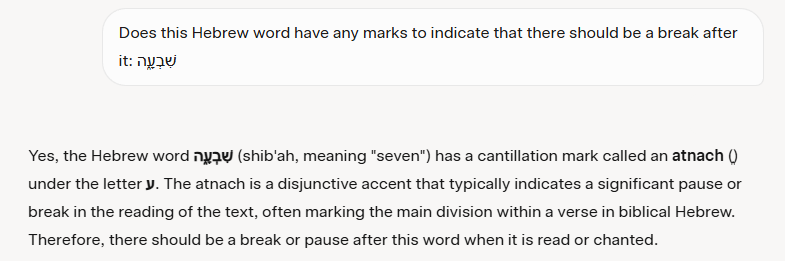
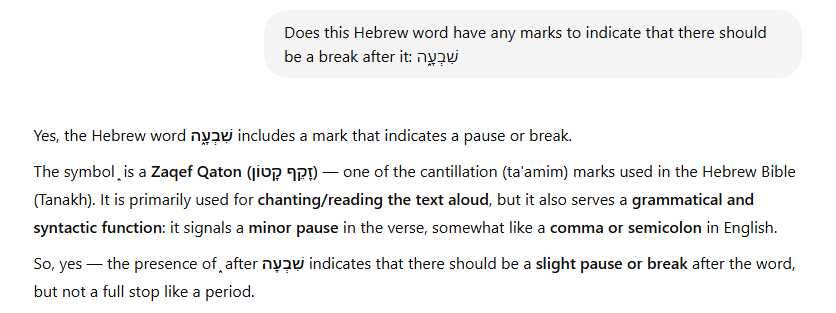



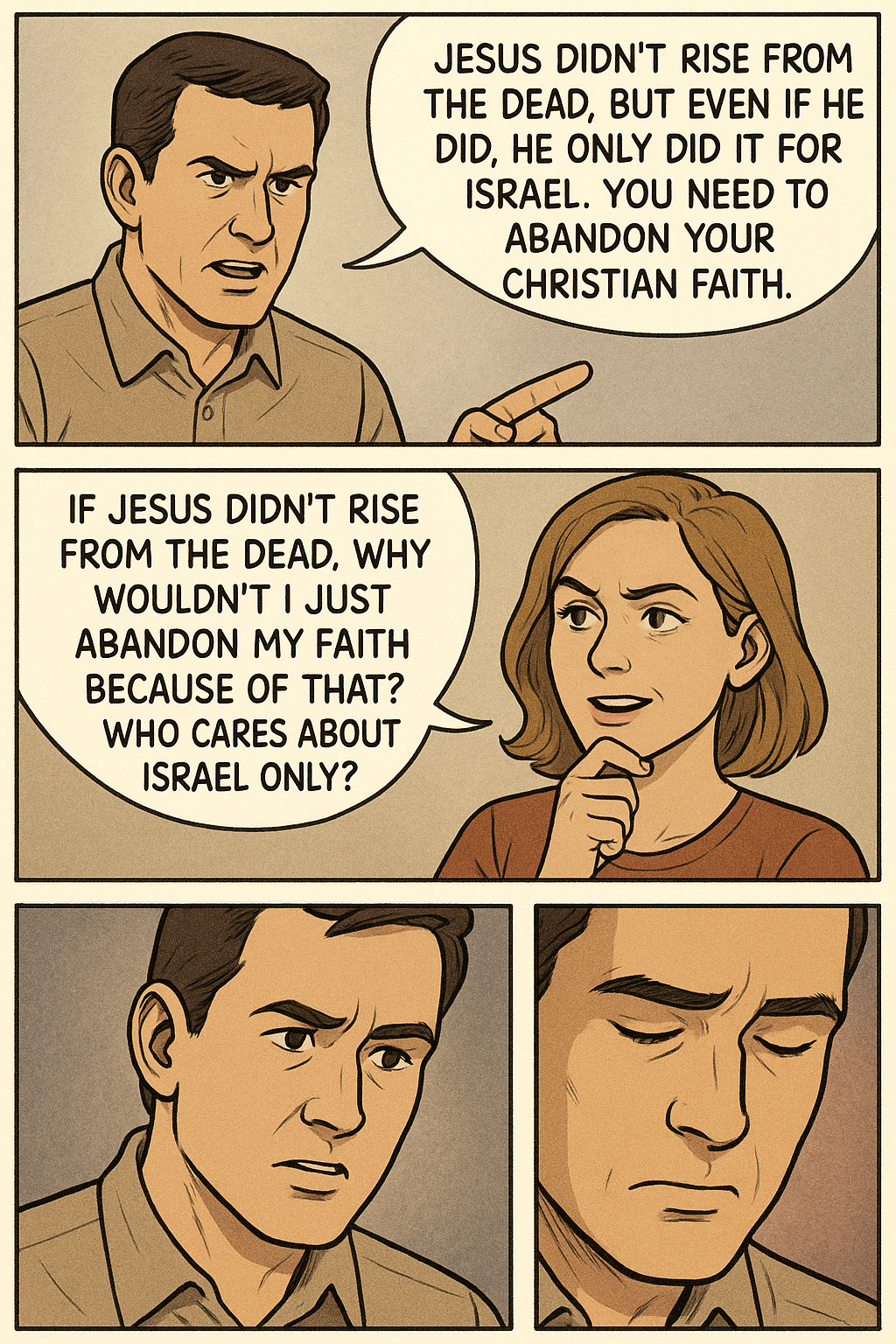
 Pursuit of Percipience