
 What do Visionaries & Masters Invest Into?
I once knew a woman who was starting up a new NGO project in S.E. Asia. When speaking of her work she said, “I’m a starter. I like to start things. Then I like to work myself out of a job. Once things are up and running, I get bored, so I hand the work over to someone else and go off and start something else.”
There are truly gifted visionaries out there who can do just what my friend described above, and the project they begin does indeed continue on under new leadership for many years. But, in my experience, more often than not, when someone says, “I’m a starter and then I’m gone…” what they’re really saying is, “I like to be around when things are new and exciting. Once the novelty wears off and things become more mundane (and difficult), I leave.”
Visionaries tend to invest into the New! and Exciting!; into a fleeting glory which quickly fades. The Visionary invests into what makes him look good in the here and now and into what the masses focus on and get excited about (and pour resources into) in the here and now.
The Master, however, invests into an undying glory which never fades, but is often hidden in dark places in the days of small things.
Visionary projects start off big, but that’s mostly an illusion. It’s like a sugar rush — lots of energy rapidly infused into a body, but then just as rapidly leaking out. There is nothing wrong with starting big, in fact it’s probably the better way to go, but is there a sustainable system ready to take over once the initial momentum dissipates?
When a Master invests into a new project, he does not think, “Okay, let’s throw a whole bunch of money at this thing, hype it up big, and add it to the list of our great accomplishments (regardless of wether it works or not).” No, a Master says, “I am investing into this project for the life of the project. I want to see this thing flourish, not just at the beginning when everyone is watching, but in the middle, and the end, after most initial investors have lost interest.”

Read Visionary Leaders Vs. Masters Part One; Part Two; Part Three; Part Four
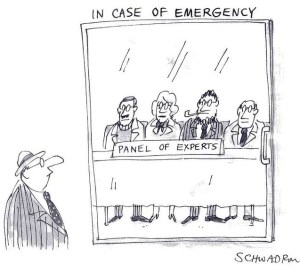
 It’s difficult for us to make decisions, especially when we are ignorant on the subjects of choice. What do you know about cameras? How much research are you going to have to do in order to make an informed decision? How much time do you have for that? So isn’t it nice when someone has done all the research for you and can simply tell you which option is better? Those people are the experts. Experts range in occupation from Technicians to Pastors.

